
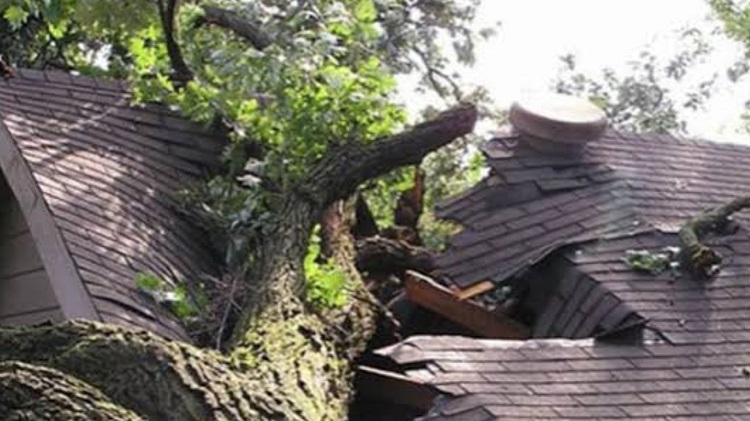

Severe weather can change the condition of a home in a matter of minutes. A powerful thunderstorm, hail event, windstorm, or heavy rain system may leave homeowners dealing with roof leaks, damaged siding, broken gutters, fallen tree limbs, and unexpected repair bills. While the immediate concern is often stopping further damage, the decisions made during the first few days after a storm can affect repair costs, insurance coverage, and the long-term value of the property.
Storm damage repair is more than simply replacing a few shingles or patching a leak. It involves understanding the extent of the damage, working with insurance companies, choosing qualified contractors, and making repairs that protect the home for years to come. Many homeowners discover hidden problems weeks or months after a storm, particularly when water intrusion or structural damage goes unnoticed.
Because weather events vary greatly across the United States, storm damage can look very different depending on location. Hail may damage asphalt shingles in Texas, hurricanes may impact coastal homes in Florida, and windstorms may remove siding or roofing materials in the Midwest. Regardless of the cause, homeowners benefit from a clear plan that prioritizes safety, documentation, and quality repairs.
This guide explains how storm damage repair works, what homeowners can expect to pay, how insurance claims operate, and how to make informed decisions when restoring a damaged home.
Understanding Storm Damage and Identifying Problems Early
Storm damage often appears obvious at first glance. Missing shingles, fallen branches, or visible water stains immediately signal trouble. However, some of the most expensive problems develop gradually after the storm has passed.
Wind damage frequently affects roofing systems. Strong gusts can lift shingles, break seals, or expose underlayment materials. Even if shingles remain attached, wind may weaken their adhesive strips, making them more vulnerable during future storms.
Hail damage can be particularly difficult for homeowners to identify. Asphalt shingles may develop bruises, cracks, or granule loss that reduce their lifespan. Metal roofing can become dented, while siding and gutters may show impact marks.
Heavy rain introduces another set of concerns. Water intrusion can affect attics, insulation, drywall, flooring, and electrical systems. In many cases, homeowners do not notice moisture until stains appear on ceilings or mold develops inside walls.
Common signs of storm damage include:
- Missing or curled shingles
- Water stains on ceilings
- Damaged flashing
- Cracked siding panels
- Bent gutters
- Leaking attic spaces
- Fallen tree branches
- Loose fencing
- Damaged windows
- Exterior paint deterioration
For example, a homeowner in Oklahoma may notice only a few missing shingles after a windstorm. Several weeks later, moisture begins entering the attic through exposed decking, resulting in insulation damage and mold growth. What initially appeared to be a minor repair becomes a much larger restoration project.
Early inspection remains one of the most valuable steps after severe weather. Even when damage appears limited, a professional inspection often identifies hidden issues that could become expensive later.
Many contractors now use drones, moisture meters, and thermal imaging equipment to detect problems that cannot be seen from the ground. These technologies help homeowners understand the full extent of storm-related damage before repairs begin.
The Storm Damage Inspection Process and Emergency Repairs
After ensuring personal safety, homeowners should conduct a basic visual inspection from the ground. Climbing onto a damaged roof is dangerous and should generally be left to trained professionals.
Documenting damage immediately is extremely important. Photographs, videos, and written notes provide valuable evidence for insurance claims and contractor evaluations. Homeowners should capture damaged roofing materials, siding, windows, gutters, fences, landscaping, and any interior water damage.
Professional inspections usually involve several components:
- Roof assessment
- Attic inspection
- Exterior evaluation
- Moisture detection
- Structural assessment
- Gutter inspection
- Siding examination
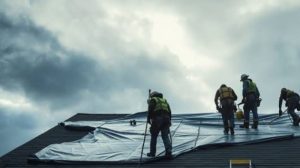
Emergency repairs often occur before permanent restoration begins. Their purpose is to prevent additional damage rather than provide a complete solution.
Examples of emergency repairs include:
- Installing roof tarps
- Boarding broken windows
- Removing hazardous tree limbs
- Temporary leak repairs
- Water extraction
- Drying affected areas
Suppose a hailstorm causes multiple roof penetrations during a period of continued rainfall. A contractor may install temporary tarps within hours to prevent interior water damage while waiting for insurance approval.
Many homeowners worry that emergency repairs could affect their insurance claims. In reality, most insurance companies expect policyholders to take reasonable steps to minimize additional damage. Failure to do so can sometimes create complications during the claims process.
Keeping receipts for emergency services is also important because many insurance policies reimburse these expenses.
Timing matters. Delaying inspections for several months may make it difficult to determine whether damage resulted from a specific storm event or normal aging. Immediate documentation creates a stronger foundation for repairs and insurance negotiations.
Insurance Claims, Coverage, and What Homeowners Should Expect
Insurance is often the most confusing part of storm damage repair. Coverage varies significantly depending on the policy, the type of storm, and the age of the damaged materials.
Most homeowners insurance policies cover sudden storm-related damage caused by:
- Wind
- Hail
- Falling objects
- Lightning
- Certain water events
However, insurance generally does not cover normal wear and tear, lack of maintenance, or pre-existing conditions.
The claims process usually follows several steps:
- Document damage.
- Contact the insurance company.
- Schedule an adjuster inspection.
- Obtain contractor estimates.
- Receive claim approval.
- Complete repairs.
Deductibles play a major role in repair costs. Some policies have separate wind or hurricane deductibles that are higher than standard deductibles.
For example, if a roof replacement costs $18,000 and the deductible is $2,500, the insurance company may cover the remaining eligible amount after depreciation and policy adjustments.
Replacement cost value and actual cash value are two important terms homeowners should understand.
Replacement cost coverage generally pays for replacing damaged materials with similar products, minus the deductible.
Actual cash value policies consider depreciation. Older roofs may receive significantly lower payouts because their remaining life expectancy is reduced.
Many homeowners are surprised when insurance adjusters and contractors produce different estimates. This does not automatically indicate a problem. Contractors may identify hidden damage that was not visible during the initial insurance inspection.
Supplemental claims are common when additional damage is discovered during repairs.
Homeowners should avoid signing contracts immediately after a storm without understanding insurance obligations. Reputable contractors explain the process, provide documentation, and communicate clearly regarding costs and expectations.
Maintaining organized records greatly improves the claims experience. Important documents include:
- Insurance policy information
- Photographs
- Inspection reports
- Repair estimates
- Invoices
- Communication records
The goal is not simply obtaining insurance approval but ensuring that repairs restore the home's condition properly.
Storm Damage Repair Costs and Factors That Affect Pricing
Storm damage repair costs vary widely depending on the severity of damage, location, materials, labor rates, and local building codes.
Minor repairs may cost only a few hundred dollars, while major restoration projects can exceed tens of thousands of dollars.
Typical cost ranges include:
| Repair Type | Typical Cost Range |
|---|---|
| Roof leak repair | $300–$1,500 |
| Shingle replacement | $500–$2,500 |
| Siding repair | $700–$4,000 |
| Gutter replacement | $1,000–$3,500 |
| Roof replacement | $8,000–$30,000+ |
| Interior water restoration | $1,500–$10,000 |
| Window replacement | $400–$1,500 per window |
Several factors influence pricing.
Roof size significantly affects costs because larger homes require more materials and labor.
Material choice also matters. Asphalt shingles remain affordable, while metal, tile, and slate roofs carry higher replacement costs.
Labor shortages after major storms frequently increase prices. Following widespread weather events, contractors may experience high demand, longer schedules, and increased material costs.
Building codes may require upgrades during repairs. For example, replacing a damaged roof may require improved ventilation, enhanced underlayment, or updated flashing systems.
Accessibility can also affect costs. Steep roofs, multiple stories, and landscaping obstacles increase labor complexity.
Consider a homeowner whose roof suffers hail damage. The insurance estimate initially covers partial repairs, but further inspection reveals damaged decking and inadequate ventilation. The final project cost increases, but the homeowner gains a stronger roofing system with improved energy performance.
Financing options have become increasingly common in the restoration industry. Many contractors offer payment plans, while homeowners may use home improvement loans or insurance proceeds to fund repairs.
Price alone should never determine contractor selection. Low estimates sometimes exclude important components, resulting in change orders and unexpected costs later.
Detailed written proposals provide better comparisons than simple price quotes.
Choosing the Right Contractor and Making Smart Repair Decisions
Contractor selection may be the most important decision homeowners make after a storm.
Reputable storm damage contractors typically provide:
- Licensing information
- Insurance certificates
- Written estimates
- References
- Detailed contracts
- Warranty information
Local experience often provides advantages because contractors understand regional weather patterns, building codes, and insurance practices.
Homeowners should ask questions such as:
- How long have you been operating locally?
- Are you licensed and insured?
- What warranties do you provide?
- Who performs the work?
- How long will repairs take?
- Can you provide recent references?
Storm-chasing companies sometimes appear after major weather events. These businesses travel temporarily into affected areas, perform work, and leave before warranty issues arise.
This does not mean every out-of-state contractor is unqualified, but homeowners should exercise caution and verify credentials carefully.
Another important decision involves repair versus replacement.
A roof with isolated damage may only require repairs. However, older roofing systems approaching the end of their service life may benefit from full replacement.
Factors that support replacement include:
- Extensive damage
- Multiple leaks
- Aging materials
- Repeated repairs
- Insurance approval
- Improved energy efficiency
For example, a 20-year-old roof damaged during a hailstorm may qualify for replacement. Installing a new roof can improve resale value, reduce maintenance expenses, and provide stronger warranty protection.
Quality workmanship remains essential. Improper installation can create future leaks, void warranties, and reduce the lifespan of materials.
Homeowners should obtain multiple estimates, review contracts carefully, and avoid high-pressure sales tactics.
Long-Term Protection, Maintenance, and Preventing Future Storm Damage
Storm damage repair should not focus solely on restoring existing conditions. Many homeowners use repairs as an opportunity to improve durability and reduce future risks.
Impact-resistant shingles have become increasingly popular in hail-prone regions. These products are designed to withstand impacts better than standard roofing materials.
Metal roofing systems also offer excellent wind resistance and long service life.
Other protective improvements include:
- Enhanced roof ventilation
- Improved flashing systems
- Upgraded gutters
- Reinforced garage doors
- Stronger siding materials
- Better attic insulation
Regular maintenance remains one of the most effective methods for reducing storm damage.
Annual inspections can identify:
- Loose shingles
- Damaged flashing
- Gutter problems
- Tree hazards
- Sealant failures
- Drainage issues
Tree maintenance deserves special attention. Overhanging branches frequently cause roof damage during storms.
Homeowners should also review insurance coverage periodically. Rising construction costs may require updated coverage limits to ensure adequate protection.
Warranties provide additional peace of mind. Roofing warranties often include manufacturer coverage and workmanship guarantees.
Understanding warranty terms helps homeowners know what is covered and what maintenance responsibilities remain.
The long-term value of professional storm damage repair extends beyond immediate repairs. Well-executed restoration protects property value, reduces future maintenance expenses, and improves overall home performance.
Frequently Asked Questions
How soon should storm damage be inspected?
Homeowners should schedule an inspection as soon as conditions are safe. Early inspections help identify hidden damage and support insurance claims.
Does homeowners insurance cover roof damage from storms?
Most policies cover sudden damage caused by wind, hail, or falling objects, although coverage depends on policy terms and deductibles.
Should I repair or replace my roof after storm damage?
Minor damage often requires repairs, while older roofs or widespread damage may justify full replacement.
Can hidden storm damage appear later?
Yes. Water intrusion, mold, insulation damage, and structural issues may develop weeks or months after the storm.
How long does storm damage repair take?
Small repairs may take a few days, while insurance claims and full roof replacements can require several weeks.
Are emergency repairs covered by insurance?
Many insurance policies reimburse reasonable emergency measures that prevent additional damage.
What should I do before filing an insurance claim?
Document all damage, take photographs, make temporary repairs if necessary, and contact your insurance company promptly.
Conclusion
Storm damage repair involves much more than fixing visible damage. The most successful outcomes come from quick inspections, thorough documentation, experienced contractors, and a clear understanding of insurance coverage. Homeowners who act early and prioritize quality repairs often prevent larger problems while protecting the value and safety of their homes. Whether the damage involves a few missing shingles or a complete roof replacement, informed decisions can make the recovery process far less stressful and far more effective.



Tinggalkan Komentar