
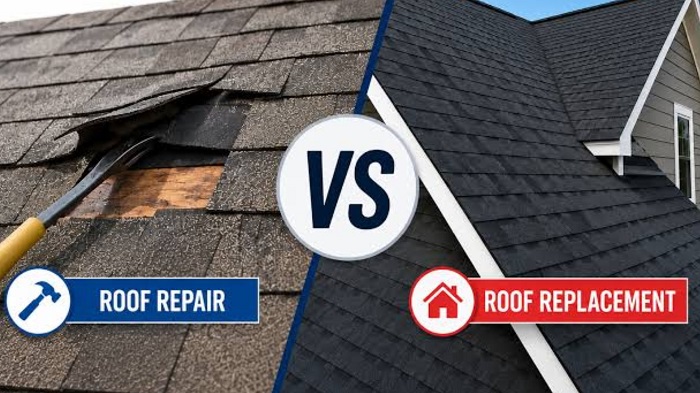

A leaking roof can create one of the most difficult financial decisions a homeowner faces. The problem may appear small—a few missing shingles, a ceiling stain, or a minor leak after a storm—but the real question quickly becomes much larger: should you repair the roof or replace it entirely?
Many homeowners naturally lean toward repairs because they cost less upfront. Others worry that repeatedly fixing an aging roof may eventually cost more than installing a new one. Contractors often provide different opinions, insurance companies may cover only certain types of damage, and online advice can seem contradictory.
The truth is that neither option is automatically cheaper. The answer depends on the age of the roof, the extent of damage, material type, local climate, labor costs, insurance considerations, and how long the homeowner plans to stay in the property.
Understanding the financial difference between roof repair and roof replacement requires looking beyond the initial estimate. The cheapest invoice today is not always the least expensive decision over the next ten or twenty years.
For homeowners trying to protect both their property and their budget, the goal is simple: spend the least amount of money while maintaining a safe, reliable roof that protects the home.
Understanding the Difference Between Roof Repair and Roof Replacement
Roof repair focuses on correcting specific problems while preserving the majority of the existing roofing system. Repairs may involve replacing damaged shingles, sealing flashing, fixing leaks around vents, repairing underlayment, or addressing isolated storm damage.
Roof replacement involves removing part or all of the existing roof system and installing new materials. Depending on local building codes and roof conditions, contractors may perform either a roof overlay or a complete tear-off.
The distinction matters because roofing systems function as a complete unit. Even if only one area appears damaged, hidden deterioration may exist beneath the surface.
Consider a 10-year-old asphalt roof that loses several shingles during a windstorm. Repairing the affected section for several hundred dollars often makes financial sense because the roof still has substantial life remaining.
Now imagine a 24-year-old roof with recurring leaks, curling shingles, granule loss, and water stains in the attic. Repairing individual sections may temporarily solve problems while larger issues continue developing elsewhere.
Industry professionals often evaluate four major factors:
- Roof age
- Extent of damage
- Overall condition
- Remaining expected lifespan
A newer roof with isolated damage usually favors repair. An aging roof with widespread deterioration often favors replacement.
Many homeowners mistakenly view roof replacement as a last resort. In reality, replacing an older roof can sometimes eliminate years of repair expenses, improve energy efficiency, increase resale value, and reduce insurance concerns.
Roof Repair Costs and When Repairs Make Financial Sense
Roof repairs remain attractive because of their lower upfront costs. Depending on the type of damage, homeowners may spend anywhere from a few hundred dollars to several thousand dollars.
Common repair costs include:
- Replacing missing shingles.
- Repairing flashing around chimneys.
- Fixing roof vents.
- Sealing leaks.
- Repairing small sections after storm damage.
- Replacing damaged underlayment in limited areas.
The total cost depends on roof accessibility, pitch, materials, labor rates, and the complexity of the problem.
Asphalt shingle repairs generally cost less than tile, slate, or metal roof repairs because replacement materials are easier to obtain and installation is less labor intensive.
Repairs make the most financial sense under several conditions.
First, the roof is relatively young. A roof that is less than 15 years old often has substantial remaining life.
Second, the damage is isolated. A few missing shingles after a storm rarely justify a full replacement.
Third, the roof structure remains healthy. If decking, framing, and insulation show no signs of deterioration, repairs can extend roof life significantly.
Fourth, the homeowner plans to sell soon. Spending $1,000 on repairs may be more practical than investing $15,000 in a replacement if the property will soon enter the market.
However, homeowners should be cautious about repeated repairs. A roof requiring service every year may indicate larger underlying problems.
For example, spending $1,500 annually for four years equals $6,000 in repairs. If a complete replacement costs $12,000 and provides 25 years of protection, continuing repairs may not offer the best long-term value.
Another concern involves matching materials. Older shingles often fade over time, and manufacturers may discontinue certain product lines. Even successful repairs can leave visible color differences that affect curb appeal.
A practical takeaway is this: if repair costs exceed approximately 30 percent of replacement costs, homeowners should seriously evaluate replacement options.
Roof Replacement Costs and the Long-Term Value of a New Roof
Roof replacement requires a larger investment, but it also delivers benefits that repairs cannot provide.
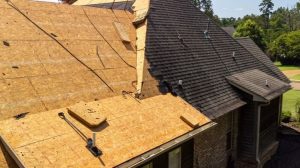
A complete replacement typically includes:
- Removing old materials.
- Inspecting roof decking.
- Replacing damaged wood.
- Installing new underlayment.
- Installing new flashing.
- Installing new roofing materials.
- Improving ventilation when necessary.
Several factors influence replacement costs.
Roof size is one of the largest variables. Larger homes naturally require more materials and labor.
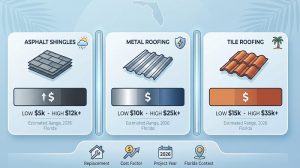
Material selection also affects pricing. Asphalt shingles remain the most affordable option, while metal, slate, and tile roofs generally cost more.
Roof complexity increases labor expenses. Multiple valleys, dormers, skylights, and steep slopes require additional work.
Local labor markets can significantly impact estimates as well. Roofing costs in major metropolitan areas often exceed costs in smaller communities.
Although replacement costs may appear expensive, homeowners receive several long-term advantages.
A new roof often improves energy efficiency by reducing heat transfer and improving attic ventilation.
Insurance companies may offer lower premiums for newer roofing systems.
Home buyers frequently view a recently replaced roof as a major selling advantage.
Manufacturer warranties can provide coverage for materials, while contractor workmanship warranties add another layer of protection.
Perhaps most importantly, replacement eliminates uncertainty. Homeowners no longer worry about hidden leaks, recurring repairs, or aging materials reaching failure.
Consider two homeowners.
Homeowner A spends $2,000 every few years repairing a 23-year-old roof.
Homeowner B spends $15,000 on a replacement with a 30-year expected lifespan.
Over the next decade, Homeowner B may actually spend less while enjoying greater reliability and stronger property value.
This is why roofing professionals often discuss "cost per year" rather than total installation cost.
A $15,000 roof lasting 30 years equals roughly $500 annually.
Viewed this way, replacement can become surprisingly affordable over the life of the roof.
Factors That Determine Which Option Saves More Money
The financial answer depends on several interconnected factors.
Roof Age
Age remains one of the strongest indicators.
If a roof has already reached 75 to 90 percent of its expected lifespan, repairs often provide diminishing returns.
Asphalt roofs generally last 20 to 30 years.
Metal roofs may last 40 to 70 years.
Tile and slate systems can last much longer.
Extent of Damage
A single leak caused by damaged flashing differs greatly from widespread moisture intrusion.
Water often travels beneath roofing materials before becoming visible inside the house. What appears to be a small leak may involve larger hidden damage.
Frequency of Repairs
Repeated repairs increase lifetime ownership costs.
A roof requiring frequent attention often indicates aging materials or systemic problems.
Future Plans
Homeowners planning to remain in their homes for many years may benefit more from replacement.
Those expecting to move within a short period may choose repairs if the roof remains functional.
Energy Efficiency
Modern roofing systems frequently include improved ventilation, reflective materials, and upgraded insulation strategies.
Lower utility costs can partially offset replacement expenses.
Home Value
Real estate agents regularly note that older roofs can discourage buyers.
A new roof may improve marketability and reduce negotiation issues during inspections.
Financing Options
Many roofing companies now offer financing programs.
Instead of paying thousands in recurring repairs, homeowners may choose predictable monthly payments for a replacement.
When evaluating costs, homeowners should calculate:
- Immediate expense.
- Expected future repairs.
- Remaining roof life.
- Insurance impacts.
- Energy savings.
- Property value changes.
The least expensive option today may not be the cheapest option over ten years.
Insurance, Contractors, and Avoiding Expensive Mistakes
Insurance coverage often influences the repair-versus-replacement decision.
Policies generally cover sudden damage caused by events such as hail, wind, or falling trees. They typically do not cover deterioration resulting from age or lack of maintenance.
If a storm damages a relatively new roof, insurance may pay for repairs.
If widespread storm damage affects large portions of the roof, insurers may approve replacement.
Homeowners should document damage quickly with photographs and schedule professional inspections after severe weather events.
Contractor selection also plays a major role.
Low estimates may exclude important items such as underlayment replacement, ventilation improvements, disposal fees, or flashing work.
Homeowners should obtain multiple written estimates that clearly describe:
- Scope of work.
- Materials used.
- Warranty terms.
- Estimated timelines.
- Permit requirements.
- Cleanup procedures.
Another costly mistake involves delaying decisions.
Small leaks may lead to:
- Mold growth.
- Damaged insulation.
- Rotting wood.
- Ceiling damage.
- Electrical concerns.
A $700 repair today can become a $7,000 interior restoration project if ignored.
Homeowners should also ask contractors about roof inspections. Many professionals can identify hidden problems before they become major expenses.
Annual inspections often extend roof life and reduce emergency repairs.
Preventive maintenance—including gutter cleaning, debris removal, attic ventilation checks, and prompt repairs—helps homeowners maximize the value of either a repaired or replaced roof.
Making the Right Financial Decision for Your Home
The decision ultimately depends on balancing present costs against future expenses.
Repair generally saves more money when:
- The roof is relatively new.
- Damage is limited.
- Repairs are infrequent.
- Most materials remain in good condition.
- Homeowners expect to move soon.
Replacement often saves more money when:
- The roof approaches the end of its lifespan.
- Leaks repeatedly occur.
- Repair costs continue increasing.
- Storm damage affects large areas.
- Homeowners plan to stay long term.
One useful guideline involves comparing repair costs to replacement costs.
If repairs exceed roughly one-third of replacement costs and the roof is nearing the end of its life, replacement deserves serious consideration.
Another approach is to divide replacement cost by expected lifespan.
A roof that costs $18,000 and lasts 30 years costs approximately $600 annually.
When compared with frequent repairs, insurance concerns, and property damage risks, replacement can become the more economical choice.
Homeowners should think of roofing decisions as investments rather than expenses. The goal is not simply spending less money today but spending less money over the life of the home.
Frequently Asked Questions
Is it cheaper to repair a roof or replace it?
Repairs are usually cheaper upfront. However, replacement may save more money long term if the roof is old or requires frequent repairs.
How old is too old for roof repairs?
Many contractors recommend considering replacement once asphalt roofs reach 20 to 25 years of age, especially if multiple problems appear.
Will homeowners insurance pay for a new roof?
Insurance may cover replacement if damage results from covered events such as hail or wind. Normal wear and aging usually are not covered.
How many times can a roof be repaired?
There is no specific limit, but repeated repairs often indicate larger problems that may justify replacement.
Does a new roof increase home value?
A new roof can improve curb appeal, increase buyer confidence, and potentially raise resale value.
Should I replace my roof before selling my house?
It depends on roof condition and market conditions. Minor repairs may be sufficient, but severely aging roofs can discourage buyers.
How long does a roof replacement take?
Most residential roof replacements take one to three days, depending on size, weather conditions, and roof complexity.
Conclusion
When comparing roof repair vs roof replacement, the option that saves more money depends on the roof's age, condition, repair history, and the homeowner's long-term plans.
Repairs usually provide the best value for newer roofs with isolated damage. Replacement often delivers better financial results for aging roofs with recurring problems.
Before making a decision, schedule a professional inspection, compare multiple estimates, review insurance coverage, and calculate both immediate and long-term costs. Looking beyond the initial price tag often reveals which investment truly saves the most money over time.

Tinggalkan Komentar