

How Much Does Roof Replacement Cost in 2026?
Replacing a roof is one of the largest home improvement investments many homeowners make. In 2026, rising material prices, labor shortages, weather-related demand, and regional differences continue to influence roofing costs across the United States.
For most homeowners, roof replacement costs in 2026 range between $8,500 and $28,000, depending on roof size, material type, labor rates, and project complexity. Premium roofing systems can exceed $40,000 for larger homes.
This guide explains current roof replacement costs, factors affecting pricing, insurance coverage, financing options, and how to hire the right roofing contractor.
Quick Answer: How Much Does Roof Replacement Cost in 2026?
The average roof replacement cost in the United States in 2026 falls between:
| Roof Type | Average Cost |
|---|---|
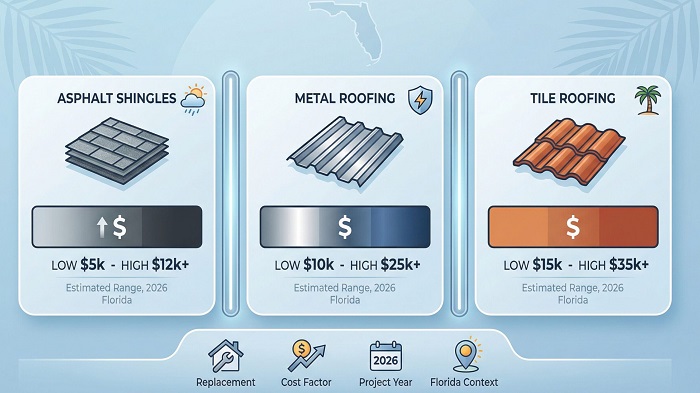
| Asphalt shingles | $8,500–$18,000 |
| Metal roofing | $14,000–$32,000 |
| Cedar shakes | $16,000–$35,000 |
| Clay tiles | $18,000–$45,000 |
| Slate roofing | $25,000–$60,000+ |
Most American homeowners spend approximately $12,000 to $18,000 for a complete roof replacement.
Key Takeaways
- National average roof replacement cost: $12,000–$18,000.
- Asphalt shingles remain the most affordable option.
- Metal roofs offer excellent longevity but cost more upfront.
- Insurance may cover storm-related damage.
- Roof size and complexity significantly affect pricing.
- Financing options can make replacement more affordable.
- Labor costs continue rising in many states.
- Choosing an experienced contractor is critical.
Average Roof Replacement Costs by Material
Roofing material is often the biggest factor affecting overall cost.
Asphalt Shingles
Asphalt shingles remain America's most popular roofing material.
Typical Cost:
- $4.50–$8.50 per square foot installed.
- $8,500–$18,000 for an average home.
Advantages include:
- Affordable installation.
- Wide color selection.
- Easy repairs.
- Good availability.
Most asphalt roofs last between 20 and 30 years.
Metal Roofing
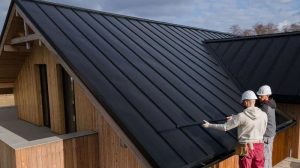
Metal roofing continues gaining popularity because of energy efficiency and durability.
Typical Cost:
- $8–$16 per square foot installed.
- $14,000–$32,000 total.
Benefits include:
- Lifespan of 40–70 years.
- Excellent weather resistance.
- Energy savings.
- Low maintenance.
Wood Shake Roofs
Wood shakes provide a traditional and natural appearance.
Average Cost:
- $16,000–$35,000.
These roofs require more maintenance but deliver strong curb appeal.
Tile Roofs
Clay and concrete tiles are common in warmer climates.
Average Cost:
- $18,000–$45,000.
Advantages include:
- Exceptional longevity.
- Fire resistance.
- Excellent insulation.
Slate Roofs
Slate represents one of the highest-end roofing options.
Average Cost:
- $25,000–$60,000 or more.
A properly installed slate roof may last over 100 years.
Roof Replacement Cost by Home Size
Home size directly impacts material and labor expenses.
| Home Size | Average Cost |
| 1,000 sq. ft. | $5,500–$10,000 |
| 1,500 sq. ft. | $7,500–$14,000 |
| 2,000 sq. ft. | $9,500–$18,000 |
| 2,500 sq. ft. | $12,000–$22,000 |
| 3,000 sq. ft. | $15,000–$28,000 |
Steeper roofs or multiple roof sections can increase costs.
What Factors Affect Roof Replacement Costs?
Several variables influence the final estimate.
Roof Size
Larger roofs require more materials and labor.
Roof Pitch
Steeper roofs are more dangerous to work on and require additional safety equipment.
Roof Accessibility
Limited access may increase labor costs.
Existing Roof Removal
Removing old roofing materials typically costs:
- $1–$5 per square foot.
Multiple roofing layers increase disposal expenses.
Underlayment Repairs
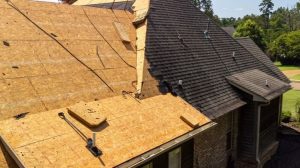
Damaged decking or structural components may require replacement before installing the new roof.
Local Labor Rates
Roofing labor costs vary substantially by region.
Urban areas generally experience higher prices than rural markets.
Roof Replacement Labor Costs in 2026
Labor accounts for approximately 40% to 60% of total roofing costs.
Average labor expenses:
- $2–$7 per square foot.
- $4,000–$10,000 for many residential projects.
Complex roof designs increase labor requirements.
Signs You Need a Roof Replacement
Homeowners should watch for these warning signs:
- Missing shingles.
- Curling shingles.
- Granule loss.
- Water leaks.
- Sagging roof sections.
- Mold growth.
- Damaged flashing.
- Daylight visible in the attic.
If multiple problems appear simultaneously, replacement may be more cost-effective than repairs.
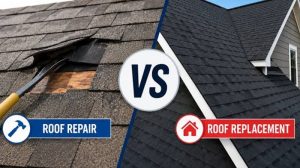
Roof Repair vs. Roof Replacement
Sometimes repairs make more financial sense.
| Situation | Repair | Replacement |
| Minor leak | Yes | No |
| Isolated damage | Yes | No |
| Roof over 25 years old | No | Yes |
| Multiple leaks | No | Yes |
| Storm damage | Depends | Depends |
| Structural damage | No | Yes |
If repair costs exceed 30% of replacement costs, many homeowners choose a new roof.
Does Homeowners Insurance Cover Roof Replacement?
Insurance coverage depends on the cause of damage.
Insurance often covers:
- Wind damage.
- Hail damage.
- Fallen trees.
- Fire damage.
- Storm-related destruction.
Insurance usually does not cover:
- Neglect.
- Poor maintenance.
- Normal aging.
- Wear and tear.
Homeowners should document damage with photographs and contact their insurance company quickly after severe weather events.
Roof Financing Options
Many homeowners finance roof replacement projects.
Common financing solutions include:
Home Improvement Loans
Fixed monthly payments with predictable interest rates.
Home Equity Loans
Often offer lower interest rates.
Roofing Company Financing
Many contractors partner with financing providers.
Credit Cards
Suitable for smaller projects or emergency repairs.
Insurance Claim Funding
Applicable when damage qualifies for coverage.
Choosing a Roofing Contractor
Hiring the right contractor can determine the success of your project.
Look for contractors who:
- Carry proper licensing.
- Maintain insurance coverage.
- Offer written estimates.
- Provide warranties.
- Have positive customer reviews.
- Explain materials clearly.
- Offer detailed contracts.
Avoid contractors who:
- Demand large cash payments upfront.
- Pressure homeowners.
- Lack references.
- Provide verbal estimates only.
Questions to Ask Before Hiring a Roofer
Before signing a contract, ask:
- Are you licensed and insured?
- How long have you been in business?
- What warranties do you offer?
- Will you obtain permits?
- How long will installation take?
- What materials do you recommend?
- Who supervises the project?
- How do you handle cleanup?
Roof Warranties Explained
Most roofing projects include two types of warranties.
Manufacturer Warranty
Covers defects in roofing materials.
Coverage may range from:
- 20 years.
- 30 years.
- Lifetime warranties.
Workmanship Warranty
Provided by the contractor.
Coverage typically ranges from:
- 2 years.
- 5 years.
- 10 years.
- 25 years.
Longer workmanship warranties often indicate confidence in installation quality.
How to Reduce Roof Replacement Costs
Homeowners can lower expenses by:
- Obtaining multiple estimates.
- Scheduling during slower seasons.
- Comparing material options.
- Reviewing insurance coverage.
- Considering financing promotions.
- Addressing problems early.
Delaying replacement often increases repair costs.
Real Homeowner Examples
Example 1: Texas Asphalt Roof
A homeowner in Dallas replaced a 2,100-square-foot asphalt roof.
Total cost:
- $13,800.
Insurance covered hail damage, reducing out-of-pocket expenses.
Example 2: Florida Metal Roof
A homeowner in Tampa installed a standing seam metal roof.
Total cost:
- $26,500.
The owner chose metal for hurricane resistance.
Example 3: Colorado Roof Replacement
A Denver homeowner replaced a storm-damaged roof.
Total cost:
- $18,700.
Insurance covered most of the project.
Roof Maintenance Tips After Replacement
Protect your investment by:
- Cleaning gutters regularly.
- Removing debris.
- Inspecting after storms.
- Trimming overhanging branches.
- Scheduling annual inspections.
- Addressing minor repairs quickly.
Proper maintenance can extend roof life significantly.
Frequently Asked Questions
How much does a new roof cost in 2026?
Most homeowners spend between $8,500 and $28,000.
What is the cheapest roofing material?
Asphalt shingles remain the most affordable option.
How long does roof replacement take?
Most projects take one to three days.
Will insurance pay for a new roof?
Insurance often covers storm-related damage.
Can I stay home during roof replacement?
Yes. Most homeowners remain in the house during installation.
Is financing available?
Many roofing companies offer financing plans.
How often should roofs be replaced?
Asphalt roofs generally last 20 to 30 years.
Is a metal roof worth the extra cost?
Many homeowners choose metal roofs for longevity and energy efficiency.
Conclusion
Roof replacement remains one of the most important investments a homeowner can make in 2026. While costs continue to rise, replacing an aging roof protects the home, improves energy efficiency, increases property value, and prevents expensive structural damage.
Homeowners should compare multiple estimates, verify contractor credentials, understand warranty coverage, and explore financing options before making a final decision.
The right roofing system depends on budget, climate, home design, and long-term goals.

Tinggalkan Komentar