

For many homeowners, a roof replacement is one of the largest investments they will make after purchasing a house. While curb appeal often influences roofing decisions, the material sitting above your head has a much greater impact than appearance alone. It affects energy bills, insurance costs, maintenance expenses, resale value, and even how attractive your home becomes to future buyers.
The best roofing materials for long-term home value are not always the cheapest options. A low upfront price may seem appealing, but repeated repairs, shorter lifespans, and premature replacement can significantly increase the overall cost of ownership. On the other hand, some premium roofing systems may cost more initially while delivering decades of performance and strong returns at resale.
Homeowners across the United States face different challenges depending on where they live. Heavy snowfall in northern states, hurricanes along the Gulf Coast, hail in the Midwest, and extreme heat in the Southwest all influence roofing performance. Selecting the right material means balancing durability, maintenance, climate suitability, installation quality, and long-term financial value.
Real estate professionals frequently note that buyers pay close attention to roof age and condition. A relatively new roof often reduces buyer concerns, improves inspection reports, and helps homes sell faster. Insurance companies also consider roofing materials when evaluating risk and premiums.
Understanding which roofing materials provide the greatest long-term value allows homeowners to make decisions that protect both their property and their finances.
Asphalt Shingles Continue to Deliver Strong Value
Asphalt shingles remain the most common roofing material in the United States, covering millions of homes. Their popularity comes from a combination of affordability, reliable performance, wide availability, and straightforward installation.
Three-tab shingles represent the entry-level option, while architectural shingles offer improved appearance, greater thickness, and longer lifespans. Premium designer shingles provide enhanced durability and can imitate slate or wood roofing.
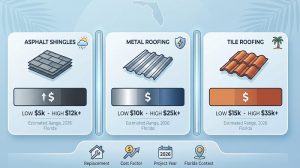
A typical asphalt shingle roof costs between $6,000 and $18,000 depending on roof size, region, labor costs, and product quality. Architectural shingles generally last 25 to 35 years when properly installed and maintained.
Many homeowners choose asphalt because replacement costs remain manageable. Contractors are familiar with installation procedures, replacement materials are easy to find, and repairs are relatively simple.
Insurance companies also understand the performance history of asphalt roofing, making claims and inspections more straightforward compared to specialty materials.
However, not all shingles perform equally. Lower-quality products may deteriorate faster under intense sunlight or severe weather conditions. Ventilation problems can also shorten roof life by trapping excessive heat in attic spaces.
For homeowners planning to stay in their house for ten to twenty years, premium architectural shingles often provide one of the best balances between cost and long-term value.
Consider a family purchasing a suburban home in Ohio. Spending an additional $3,000 for upgraded architectural shingles may extend roof life by ten years while improving resale value. The additional investment often pays for itself through reduced maintenance and increased buyer confidence.
Energy-efficient shingles with reflective technology have also become increasingly popular in warmer climates. These products can reduce attic temperatures and help lower cooling expenses during summer months.
Metal Roofing Offers Exceptional Longevity and Energy Savings
Metal roofing has experienced tremendous growth during the past decade. Homeowners who once associated metal roofs with barns or commercial buildings now recognize their advantages for residential properties.
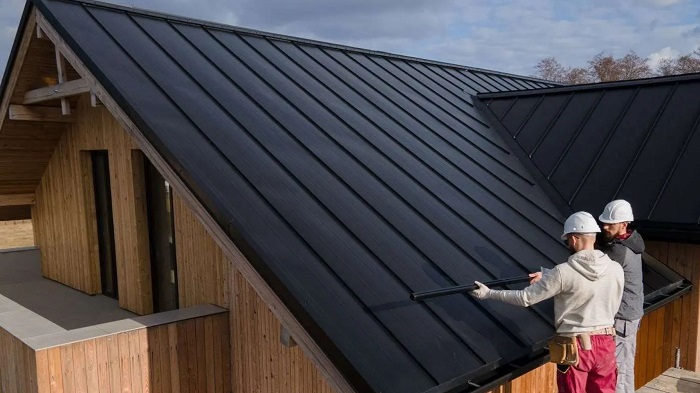
Standing seam metal roofs and metal shingles can last 40 to 70 years depending on material quality and local weather conditions. Steel, aluminum, copper, and zinc each provide different benefits and price ranges.
The average metal roof installation typically costs between $12,000 and $35,000 for many homes. While the upfront investment is higher than asphalt shingles, the extended lifespan often produces lower lifetime ownership costs.
One reason metal roofing ranks among the best roofing materials for long-term home value is durability. Metal resists fire, wind damage, insect activity, and moisture problems better than many traditional materials.
Homes located in hurricane-prone areas often benefit from the superior wind resistance of properly installed metal systems. Some products can withstand winds exceeding 140 miles per hour.
Energy efficiency represents another major advantage. Reflective coatings help reduce solar heat absorption, lowering cooling costs during hot summers. In southern states such as Texas, Florida, and Arizona, these energy savings can become substantial over time.
Insurance companies occasionally offer discounts for impact-resistant or fire-resistant roofing systems. While discounts vary by location and provider, some homeowners see reduced premiums after upgrading to metal roofing.
Maintenance requirements also remain relatively low. Homeowners generally need periodic inspections, debris removal, and occasional fastener maintenance. Compared with repeated shingle repairs, long-term maintenance costs may be significantly lower.
A homeowner replacing an aging asphalt roof with standing seam metal may spend considerably more initially, but after forty years, they may avoid one or even two complete roof replacements that would have been necessary with lower-cost materials.
Tile and Slate Roofing Deliver Premium Long-Term Returns
Clay tile, concrete tile, and natural slate represent some of the longest-lasting roofing materials available. These products are often associated with luxury homes, historic properties, and upscale neighborhoods.
Natural slate roofs can last 75 to 150 years. Clay tile frequently survives 50 to 100 years. Concrete tile commonly provides service lives of 50 years or more.
Such longevity significantly contributes to long-term home value because multiple generations of homeowners may never need a complete replacement.
These materials also create distinctive architectural appearances. Spanish-style homes, Mediterranean designs, and historic properties often achieve higher market values when paired with appropriate roofing materials.
However, premium durability comes with premium costs. Tile roofs may range from $20,000 to $50,000 or more. Slate installations can exceed these figures significantly.
Structural considerations become extremely important. Tile and slate are much heavier than asphalt shingles. Some homes require additional structural reinforcement before installation.
Repairs can also require specialized contractors. Finding experienced slate or tile roofing professionals may be more difficult in certain regions, potentially increasing labor costs.
Despite higher expenses, these materials often provide outstanding value in luxury housing markets. Buyers frequently view them as premium features that justify higher asking prices.
Weather performance also varies. Tile roofs perform exceptionally well in hot climates. Slate offers excellent resistance to moisture and fire. Both materials provide superior longevity compared to most conventional roofing systems.
Homeowners planning to remain in their property for decades may find that premium roofing materials eliminate future replacement costs entirely.
Climate, Insurance, and Contractor Quality Matter as Much as Materials
Choosing the best roofing material is not simply about selecting the longest-lasting product. Installation quality often determines whether a roof reaches its expected lifespan.
A poorly installed premium roof may fail sooner than a properly installed budget roof.
Contractor selection plays a critical role. Homeowners should verify licensing requirements, insurance coverage, manufacturer certifications, references, and local experience.
Experienced contractors understand local building codes, weather conditions, ventilation requirements, and manufacturer specifications.
For example, roofs installed in Florida may require stronger wind resistance standards than roofs in other regions. Snow load considerations become important in northern states. Hail-resistant products may provide better value in the Midwest.
Insurance considerations should also influence material selection.
Impact-resistant shingles sometimes qualify for premium discounts. Fire-resistant materials may reduce risk assessments. Certain roofing systems may simplify claims processing following severe weather events.
Manufacturer warranties vary substantially as well.
Basic warranties may cover manufacturing defects only. Enhanced warranties sometimes include labor coverage and longer protection periods.
Homeowners should carefully review warranty details, including:
- Coverage length.
- Transferability to future buyers.
- Installation requirements.
- Exclusions and limitations.
- Maintenance obligations.
A transferable warranty can increase resale value because future buyers receive continued protection.
Regular inspections also preserve long-term value. Small issues such as damaged flashing, clogged gutters, or missing shingles can develop into expensive problems if neglected.
Professional roof inspections every few years can identify concerns before major repairs become necessary.
Understanding Return on Investment and Resale Value
Many homeowners ask whether expensive roofing materials actually increase resale value.
The answer depends on several factors, including local housing markets, neighborhood expectations, and buyer preferences.
In many middle-income neighborhoods, premium architectural shingles often provide excellent returns because they balance affordability and appearance.
In upscale communities, luxury roofing materials may align with buyer expectations and help maintain property values.
Real estate agents frequently report that newer roofs improve buyer confidence. A roof nearing the end of its lifespan may lead buyers to request price reductions or repair credits during negotiations.
Energy-efficient roofing systems may also appeal to buyers concerned about utility costs.
When calculating return on investment, homeowners should consider:
- Initial installation costs.
- Expected lifespan.
- Maintenance expenses.
- Repair frequency.
- Insurance savings.
- Energy savings.
- Potential resale benefits.
For example, a $30,000 metal roof lasting 60 years may ultimately cost less annually than multiple asphalt roof replacements over the same period.
Financing options have also expanded. Many roofing companies offer payment plans, allowing homeowners to spread costs over several years. Home equity loans and energy-efficiency financing programs may also help fund major roofing projects.
The cheapest option often produces the lowest long-term value. Conversely, the most expensive roof may not always deliver sufficient financial returns.
The goal is finding the material that matches the home's value, local climate, expected ownership period, and maintenance preferences.
Making the Right Roofing Decision for Your Home
No single roofing material works perfectly for every homeowner.
Asphalt shingles continue to dominate because they provide strong value at reasonable costs. Metal roofing offers exceptional durability and energy efficiency. Tile and slate provide unmatched longevity and premium appearance.
Before making a decision, homeowners should obtain multiple estimates from reputable contractors. Comparing materials, warranties, installation methods, and projected maintenance costs helps create a clearer picture of long-term ownership expenses.
Questions homeowners should ask include:
- How long do I expect to stay in this house?
- What weather conditions affect my area?
- How important is energy efficiency?
- What maintenance level am I comfortable with?
- How much value will buyers place on roofing upgrades?
The answers often guide homeowners toward the most appropriate roofing investment.
A roof is more than a protective covering. It influences energy performance, insurance costs, property value, maintenance expenses, and buyer confidence. Selecting the right material today can provide financial and practical benefits for decades.
FAQ
What roofing material lasts the longest?
Natural slate generally lasts the longest, often exceeding 100 years. Clay tile can last 50 to 100 years, while metal roofing commonly provides 40 to 70 years of service.
Is metal roofing worth the higher cost?
For many homeowners, yes. Metal roofs offer long lifespans, energy savings, lower maintenance costs, and strong weather resistance that may justify the higher upfront investment.
Which roofing material adds the most home value?
Architectural asphalt shingles, metal roofing, and premium tile roofs often provide the greatest resale benefits depending on the local housing market.
Do insurance companies prefer certain roofing materials?
Many insurers favor impact-resistant, fire-resistant, and wind-resistant materials because they reduce claim risks. Discounts may be available in some regions.
How often should a roof be inspected?
Most experts recommend professional inspections every two to three years and after major storms.
Can a new roof increase home resale value?
Yes. Buyers often view newer roofs as a major advantage because they reduce future repair concerns and improve inspection results.
What is the most affordable long-term roofing option?
Architectural asphalt shingles typically offer one of the best combinations of affordability, durability, and resale value.
Conclusion
The best roofing materials for long-term home value depend on balancing cost, durability, climate performance, and future plans. Architectural asphalt shingles remain the most practical choice for many homeowners, while metal roofing provides outstanding longevity and energy efficiency.
Tile and slate deliver premium performance for those seeking maximum lifespan.
Before replacing a roof, compare multiple contractor estimates, review warranties carefully, and consider how long you expect to remain in your home. A thoughtful roofing investment can protect your property, lower ownership costs, and increase resale value for many years.

Tinggalkan Komentar