
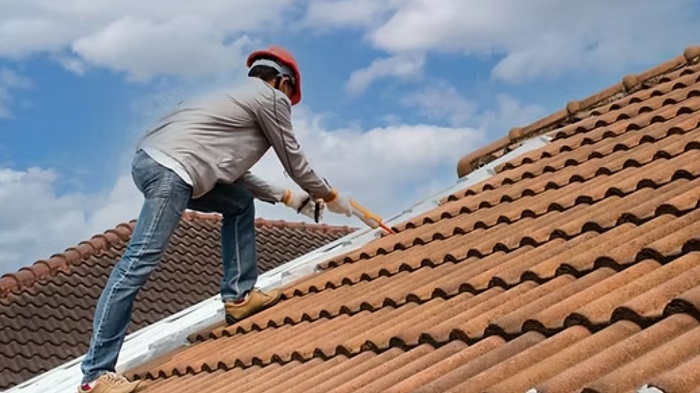

Replacing or repairing a roof is one of the largest investments many American homeowners will ever make. A roof protects everything beneath it, including your family, your belongings, and the structural integrity of your home. Yet many homeowners discover that choosing a roofing contractor is often more stressful than choosing the roofing materials themselves.
Stories about unfinished projects, surprise charges, poor workmanship, insurance disputes, and disappearing contractors have made many homeowners cautious. The challenge is that roofing companies can appear similar on the surface. Nearly every company claims to provide quality service, excellent warranties, and competitive pricing.
The difference between a successful roofing project and an expensive mistake often comes down to selecting the right contractor.
Understanding how to choose the best roofing contractor near you requires more than collecting a few estimates. It involves evaluating experience, licensing, communication, insurance coverage, warranties, and long-term value. Whether you need a minor repair after a storm or a complete roof replacement, making an informed decision can protect your investment for decades.
A quality roofing contractor does more than install shingles. They help homeowners understand options, explain costs, manage permits, coordinate crews, and stand behind their work long after the project is complete.
Why Choosing the Right Roofing Contractor Matters
Most homeowners replace a roof only once or twice during their lifetime. Because roofing projects happen infrequently, many people do not know what to expect.
A roof replacement often costs thousands of dollars. Depending on location, roof size, materials, and complexity, projects commonly range from $8,000 to more than $30,000. Mistakes can become extremely expensive.
Poor installation may lead to:
- Water leaks
- Mold growth
- Structural damage
- Higher energy bills
- Voided manufacturer warranties
- Reduced home value
Consider two neighboring homes that install identical asphalt shingles. One contractor follows manufacturer installation requirements, installs proper ventilation, and replaces flashing. Another cuts corners to lower costs.
Five years later, one roof remains in excellent condition while the other develops leaks and shingle failures. The material was the same. The workmanship was not.
Roofing contractors influence:
- Installation quality
- Material performance
- Project timelines
- Warranty protection
- Insurance claim outcomes
- Long-term maintenance costs
The lowest estimate is not always the best value. In many cases, paying slightly more for experienced professionals prevents thousands of dollars in future repairs.
Homeowners should also understand that roofing projects involve safety risks. Roofing crews work at heights, handle heavy materials, and use specialized equipment. Proper insurance and training protect both workers and property owners.
A reliable contractor acts as both a construction expert and a project manager. They coordinate deliveries, schedule crews, obtain permits when required, and ensure local building code compliance.
What to Look for When Comparing Roofing Contractors
Many homeowners begin their search by typing "best roofing contractor near me" into a search engine. While online reviews are helpful, deeper evaluation is essential.
Licensing and Registration
Requirements vary by state, but professional contractors should maintain appropriate licenses and registrations where required.
Homeowners should verify:
- State licenses
- Local registrations
- Business history
- Company addresses
- Years in operation
A company with an established presence often provides greater stability than contractors who appear only after storms.
Insurance Coverage
Insurance is one of the most important factors.
Contractors should carry:
- General liability insurance
- Workers' compensation coverage
- Commercial vehicle insurance
Without proper insurance, homeowners may face unexpected liability if accidents occur on the property.
Request certificates of insurance and verify that coverage remains active.
Experience With Your Roofing Type
Different roofing materials require different expertise.
These may include:
- Asphalt shingles
- Metal roofing
- Tile roofing
- Cedar shake roofs
- Flat roofing systems
- Architectural shingles
A contractor who primarily installs asphalt shingles may not possess extensive experience with standing seam metal roofs or commercial membrane systems.
Ask how many similar projects the company completes annually.
Local Reputation
Local companies often depend heavily on community reputation.
Research:
- Online reviews
- Better Business Bureau ratings
- Recent customer experiences
- Project photographs
- References
A contractor who has worked in your area for years understands local weather conditions, building codes, and common roofing challenges.
Communication Skills
Communication problems frequently create homeowner frustration.
Professional contractors:
- Return calls promptly.
- Explain the process clearly.
- Provide written estimates.
- Answer questions patiently.
- Offer realistic timelines.
If communication is difficult before the contract is signed, it often becomes worse during construction.
Understanding Roofing Estimates, Costs, and Pricing Factors
Many homeowners assume every roofing estimate should be similar. In reality, estimates can vary significantly.
A roof replacement estimate generally includes:
- Material costs
- Labor costs
- Tear-off and disposal
- Underlayment
- Flashing replacement
- Ventilation improvements
- Permits
- Cleanup
Several factors influence roofing costs.
Roof Size
Larger roofs require more materials and labor.
Roofers typically measure roofing in "squares," with one square equal to 100 square feet.
Roof Complexity
Features that increase costs include:
- Multiple roof levels
- Steep slopes
- Skylights
- Chimneys
- Valleys
- Dormers
Complex roofs require additional labor and safety equipment.
Material Selection
Material choices dramatically affect pricing.
Approximate national averages include:
- Basic asphalt shingles: $5,000 to $12,000
- Architectural shingles: $8,000 to $18,000
- Metal roofing: $12,000 to $30,000
- Tile roofing: $15,000 to $40,000
Regional labor costs and home size can significantly change these figures.
Hidden Damage
During tear-off, contractors sometimes discover:
- Rotten decking
- Water damage
- Damaged flashing
- Structural issues
Professional contractors discuss these possibilities before work begins.
Homeowners should avoid contractors who provide extremely low estimates. Low bids sometimes exclude essential components, use lower-quality materials, or rely on change orders later.
Comparing estimates side by side helps reveal important differences.
Ask questions such as:
- Will flashing be replaced?
- Is ventilation included?
- Are permits covered?
- How much plywood replacement is included?
- What warranties apply?
The most detailed estimate often provides the clearest picture of actual project costs.
Roofing Insurance Claims, Warranties, and Contracts
Storm damage is a common reason homeowners seek roofing contractors.
After hail, wind, or severe weather events, many companies aggressively market their services. While some are reputable, others may operate temporarily before leaving the area.
When insurance is involved, contractors can help document damage, but homeowners should remain actively involved throughout the claims process.
Insurance companies generally assess:
- Wind damage
- Hail damage
- Falling debris
- Storm-related issues
Maintenance problems and normal aging may not qualify for coverage.
Homeowners should avoid contractors who promise guaranteed insurance approval. The final decision belongs to the insurance carrier.
Understanding Roofing Warranties
Roof warranties often involve two separate protections.
Manufacturer Warranty
This covers roofing materials.
Examples include:
- Shingle defects
- Manufacturing issues
- Material failures
Coverage periods may range from 20 years to lifetime limited warranties.
Workmanship Warranty
This comes directly from the contractor.
Coverage may range from one year to twenty-five years depending on the company.
A strong workmanship warranty demonstrates confidence in installation quality.
Ask questions including:
- What is covered?
- What is excluded?
- How are claims handled?
- Is the warranty transferable?
Reviewing the Contract
Before signing, homeowners should review:
- Project scope
- Materials
- Payment schedule
- Start dates
- Completion timelines
- Warranty information
- Cleanup procedures
Avoid vague contracts.
Every important detail should appear in writing.
Large upfront payments can also be a warning sign. Many reputable companies require deposits for materials but collect most payments as work progresses.
Common Mistakes Homeowners Make When Hiring Roofers
Several mistakes repeatedly lead to disappointing roofing experiences.
Choosing the Lowest Bid
The cheapest estimate may exclude important items.
Lower bids sometimes result from:
- Inferior materials
- Uninsured crews
- Reduced labor quality
- Hidden charges
Value matters more than price alone.
Hiring Immediately After Storms
After severe weather, out-of-town contractors may arrive quickly.
While not all traveling contractors are problematic, homeowners should verify licensing, references, and long-term availability.
A company that disappears after installation cannot honor warranties.
Ignoring Reviews and References
Online reviews reveal patterns.
Consistent complaints regarding communication, delays, or workmanship deserve attention.
References from recent customers provide additional insight.
Failing to Ask Questions
Homeowners should never feel rushed.
Important questions include:
- Who supervises the project?
- Are subcontractors used?
- What happens if rain occurs?
- How is debris handled?
- What is the estimated completion time?
Focusing Only on Materials
Many homeowners spend considerable time selecting shingles while paying little attention to installation quality.
Even premium roofing materials cannot compensate for poor workmanship.
Installation often determines how long a roof actually lasts.
Long-Term Value: Maintenance, Repairs, and Future Planning
Choosing the best roofing contractor near you is not solely about one project. The right company can become a long-term resource for maintaining your home.
Regular roof inspections help identify:
- Missing shingles
- Flashing damage
- Ventilation problems
- Small leaks
- Gutter issues
Many contractors recommend inspections every few years or after major storms.
Preventive maintenance often costs far less than major repairs.
For example, replacing damaged flashing may cost a few hundred dollars. Ignoring the issue could eventually result in water damage, insulation problems, and interior repairs costing thousands.
Homeowners planning to sell within several years should also consider resale value.
A professionally installed roof can:
- Improve curb appeal
- Increase buyer confidence
- Support home inspections
- Reduce negotiation issues
- Enhance market value
Energy efficiency may also improve with modern roofing systems.
Proper attic ventilation and updated underlayment can reduce heat buildup, potentially lowering cooling costs in warmer climates.
Financing options have also become increasingly common.
Many roofing companies now offer:
- Monthly payment plans
- Promotional financing
- Home improvement loans
For homeowners facing unexpected replacement costs, financing may make larger projects more manageable.
The best contractors continue providing support after installation through inspections, maintenance services, and warranty assistance.
Frequently Asked Questions
How many roofing estimates should I get?
Most experts recommend obtaining at least three estimates. This helps homeowners compare pricing, materials, warranties, and project scope.
How do I know if a roofing contractor is trustworthy?
Check licensing, insurance, reviews, references, years in business, and written contracts. Trustworthy contractors communicate clearly and provide detailed estimates.
Should I repair or replace my roof?
Minor isolated damage may only require repairs. Older roofs with widespread problems often benefit from complete replacement. A professional inspection can help determine the best option.
How long does roof replacement take?
Most residential roof replacements take one to three days, although weather, roof complexity, and material availability can affect timelines.
What questions should I ask before hiring a roofer?
Ask about insurance, licensing, warranties, project supervision, payment schedules, cleanup procedures, and experience with your roofing material.
Does homeowners insurance cover roof replacement?
Insurance may cover sudden storm-related damage, such as hail or wind damage. Normal aging and maintenance issues are usually not covered.
Are expensive roofing materials always better?
Not necessarily. Proper installation often matters as much as the material itself. Mid-range products installed correctly can outperform premium products installed poorly.
Conclusion
Choosing the best roofing contractor near you requires careful research, thoughtful comparisons, and attention to details that extend beyond price alone. Licensing, insurance, experience, communication, warranties, and reputation all contribute to the success of a roofing project.
Homeowners who take time to compare estimates, ask questions, and verify credentials often enjoy better workmanship, stronger warranty protection, and greater long-term value. A roof is more than shingles and nails—it is one of the most important investments in a home, and selecting the right contractor helps ensure that investment remains protected for decades.



Tinggalkan Komentar