
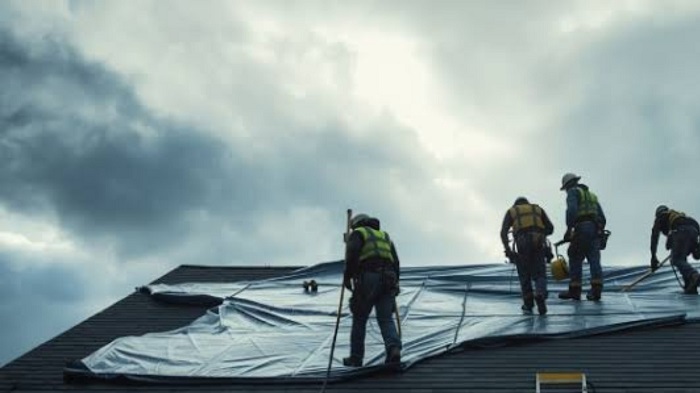

Few home problems create as much stress as discovering that your roof has suddenly failed. A leak during a thunderstorm, missing shingles after high winds, a tree limb crashing onto the roof, or water dripping into the attic can leave homeowners scrambling for answers. In these situations, emergency roof repair becomes more than a maintenance issue. It becomes a race against time.
Roof damage rarely stays contained. Water enters small openings, spreads beneath roofing materials, saturates insulation, damages drywall, weakens wood framing, and creates expensive interior repairs. What begins as a few missing shingles can eventually require major structural work if homeowners delay action.
Emergency roof repair refers to immediate services designed to stabilize a damaged roof and prevent additional damage. Temporary protection, rapid inspections, leak mitigation, and urgent repairs help homeowners secure their property until permanent solutions can be completed.
Many homeowners assume emergency roofing only applies after hurricanes or tornadoes. In reality, emergency situations happen every day across the United States. Heavy rain, fallen branches, hailstorms, aging roofs, ice dams, and sudden material failures can all require immediate attention.
Understanding how emergency repairs work, how much they cost, when insurance applies, and how to hire the right contractor can help homeowners make confident decisions during stressful situations.
What Qualifies as an Emergency Roof Repair?
Not every roofing problem requires immediate service, but certain situations should never wait.
Active leaks are among the most common roofing emergencies. Water entering the home can quickly damage ceilings, walls, flooring, insulation, and electrical systems. Even a relatively small leak can spread over a large area inside the home before becoming visible.
Storm damage also frequently requires emergency attention. High winds can remove shingles, expose underlayment, or lift flashing around chimneys and vents. Hail may crack roofing materials and reduce their ability to protect the structure.
Fallen trees and large branches represent another major emergency. Impact damage can puncture roofing systems, damage framing members, and create safety hazards.
Common emergency situations include:
- Active roof leaks.
- Missing sections of shingles.
- Tree damage.
- Storm-related roof openings.
- Collapsed roof areas.
- Severe flashing failure.
- Ice dam damage.
- Fire-related roof damage.
- Structural sagging.
Homeowners sometimes wonder whether they should wait until regular business hours. The answer depends largely on whether the roof is actively allowing water into the home or exposing the interior to weather conditions.
For example, a few missing shingles during dry weather may allow scheduling repairs within several days. However, a roof leak during an ongoing storm often requires immediate emergency service.
Professional roofing companies frequently offer 24-hour emergency response services. Their initial goal is not always complete repair. Instead, they focus on stabilizing the situation.
Temporary solutions may include:
- Roof tarping.
- Leak sealing.
- Debris removal.
- Emergency patching.
- Protective coverings.
- Water mitigation.
These measures buy time until weather conditions improve or permanent repairs can be scheduled.
Emergency Roof Repair Costs and Pricing Factors
One of the first questions homeowners ask is how much emergency roof repair costs.
The answer varies considerably because emergencies differ in severity, materials, accessibility, and labor requirements.
Minor emergency repairs involving a few shingles or flashing repairs may cost between $300 and $1,000. Moderate repairs involving leaks, damaged underlayment, or multiple roofing sections often range from $1,000 to $3,000.
Major emergency repairs resulting from severe storm damage can exceed $5,000, especially if structural repairs become necessary.
Several factors influence pricing.
Time of service plays a major role. Nights, weekends, and holidays often carry premium rates because emergency crews must respond outside normal business hours.
Roof accessibility also affects labor costs. Steep roofs, multiple stories, or difficult access increase safety requirements and labor time.
Roofing materials matter as well. Asphalt shingles generally cost less to repair than metal roofing, tile roofs, slate systems, or cedar shakes.
Weather conditions can further increase expenses. Emergency work during rain, snow, or high winds requires additional safety precautions.
Typical emergency repair costs may include:
- Emergency inspection: $150 to $500.
- Roof tarping: $300 to $1,500.
- Leak repairs: $400 to $2,000.
- Shingle replacement: $500 to $2,500.
- Structural repairs: $2,000 to $10,000 or more.
For example, a homeowner in Texas may experience hail damage that removes several shingles and causes attic leaks. Emergency tarping may cost several hundred dollars, while permanent repairs could total several thousand dollars depending on insurance coverage.
Many contractors provide emergency estimates after inspecting the damage. Homeowners should request detailed written estimates whenever possible.
Insurance Coverage and Emergency Roof Damage Claims
Insurance often becomes a critical part of emergency roof repair.
Most homeowners insurance policies cover sudden and accidental roof damage caused by covered events such as:
- Windstorms.
- Hail.
- Falling trees.
- Fire.
- Lightning.
- Severe weather events.
However, insurance generally does not cover damage caused by neglect, lack of maintenance, or normal aging.
For example, if a 25-year-old roof leaks because the shingles have deteriorated over time, insurance may deny the claim. On the other hand, if a windstorm removes shingles from an otherwise well-maintained roof, coverage may apply.
Homeowners should document damage immediately.
Important steps include:
- Take photographs of visible damage.
- Document interior water intrusion.
- Save damaged materials if possible.
- Contact the insurance company promptly.
- Obtain professional roofing inspections.
- Keep receipts for emergency services.
Insurance companies often expect homeowners to prevent additional damage. This is why emergency tarping or temporary repairs are frequently reimbursable expenses.
Some roofing companies assist homeowners during the insurance process by providing documentation, photographs, inspection reports, and repair estimates.
Deductibles still apply. Depending on the policy, homeowners may be responsible for several hundred or several thousand dollars before insurance coverage begins.
Understanding the difference between emergency mitigation and full roof replacement is also important. Temporary repairs may be completed immediately, while insurance approval for larger projects can take several weeks.
Choosing an Emergency Roofing Contractor
The urgency of roof damage sometimes causes homeowners to hire the first contractor who answers the phone. Unfortunately, emergency situations can attract unqualified or dishonest operators.
After major storms, "storm chasers" may travel into affected areas offering quick repairs. Some disappear after collecting deposits, while others perform low-quality work.
Homeowners should verify several things before hiring.
First, confirm licensing requirements within the state. Licensing rules vary across the United States.
Second, verify insurance coverage. Contractors should carry both liability insurance and workers' compensation coverage.
Third, review local references and online reviews. Established local companies often provide more reliable service and warranty support.
Questions to ask include:
- How quickly can you respond?
- Do you provide written estimates?
- Are you licensed and insured?
- Do you offer workmanship warranties?
- Can you assist with insurance documentation?
- What temporary measures will you take?
Avoid contractors who:
- Demand full payment upfront.
- Pressure homeowners into immediate decisions.
- Offer extremely low bids.
- Lack physical business addresses.
- Refuse written contracts.
A professional emergency roofer explains the damage, outlines immediate solutions, and discusses long-term repair options without using high-pressure sales tactics.
Homeowners should also ask whether the company provides financing options. Larger emergency repairs can create unexpected expenses, and financing programs may help spread costs over time.
Repair Versus Roof Replacement After an Emergency
Not every emergency leads to a full roof replacement.
Many damaged roofs can be repaired successfully if the underlying structure remains sound and the damage is localized.
Repairs often make sense when:
- The roof is relatively new.
- Damage is limited to one area.
- Materials remain available.
- Structural components are intact.
- Insurance supports repairs.
Replacement may become the better investment when:
- The roof is near the end of its lifespan.
- Multiple leaks exist.
- Large sections are damaged.
- Previous repairs have failed.
- Matching materials are unavailable.
For example, a fifteen-year-old asphalt roof that loses several shingles during a storm may only need localized repairs. A twenty-eight-year-old roof experiencing repeated leaks, widespread deterioration, and storm damage may justify replacement.
Roof age plays a significant role.
Typical roofing lifespans include:
- Asphalt shingles: 20–30 years.
- Metal roofs: 40–70 years.
- Tile roofs: 50 years or more.
- Slate roofs: 75 years or longer.
Contractors often inspect the entire roofing system after emergency stabilization. Their assessment helps homeowners decide whether repairs provide sufficient long-term value.
Energy efficiency can also influence replacement decisions. New roofing systems often improve ventilation, insulation performance, and overall home efficiency.
Warranty coverage should also be considered. New roof installations frequently include manufacturer warranties and workmanship guarantees that may provide long-term peace of mind.
Preventing Future Roofing Emergencies
While some emergencies are unavoidable, many can be prevented through regular maintenance.
Roof inspections remain one of the most valuable investments homeowners can make. Annual inspections often identify small problems before they become major emergencies.
Homeowners should pay attention to:
- Missing shingles.
- Damaged flashing.
- Clogged gutters.
- Sagging roof areas.
- Granule loss.
- Attic moisture.
- Ventilation issues.
Tree maintenance is equally important. Overhanging branches can scrape roofing materials or fall during storms.
Gutter cleaning also reduces water-related problems. Overflowing gutters can contribute to leaks, ice dams, and fascia damage.
After major storms, homeowners should visually inspect the roof from the ground. Binoculars may help identify visible damage without climbing onto the roof.
Professional maintenance programs offered by roofing companies can provide scheduled inspections, minor repairs, and documentation that may support future insurance claims.
Emergency preparedness can also reduce stress.
Homeowners may benefit from:
- Keeping contractor contact information.
- Reviewing insurance policies annually.
- Photographing the roof periodically.
- Maintaining emergency funds.
- Understanding warranty coverage.
The goal is not simply avoiding repairs. It is protecting the long-term value of the home.
Frequently Asked Questions
How quickly should emergency roof repairs be completed?
Active leaks or major storm damage should receive attention immediately. Delaying repairs often increases water damage and repair costs.
Does homeowners insurance cover emergency roof repair?
Insurance frequently covers sudden and accidental damage caused by covered events such as storms, hail, or falling trees. Normal wear and aging are usually excluded.
Can a roof be repaired during rain?
Permanent repairs are difficult during heavy rain, but emergency tarping and temporary protection can often be installed to prevent further damage.
How much does emergency roof tarping cost?
Costs commonly range from $300 to $1,500 depending on roof size, accessibility, and the extent of damage.
Should I repair or replace my damaged roof?
The answer depends on roof age, damage severity, repair history, and overall condition. Professional inspections help determine the most cost-effective option.
Are emergency roofing services available at night?
Many roofing companies provide 24-hour emergency response services, particularly after severe weather events.
Will emergency repairs affect roof warranties?
Improper repairs may impact warranties. Using qualified contractors and approved materials helps preserve coverage.
Conclusion
Emergency roof repair is ultimately about protecting both the structure of the home and the financial investment it represents. Fast action can prevent extensive water damage, reduce repair costs, and preserve the life of the roofing system.
Homeowners facing roof emergencies should prioritize safety, document damage, contact insurance providers when appropriate, and work with qualified roofing contractors who provide clear estimates and professional guidance.
Regular inspections, preventive maintenance, and an understanding of insurance coverage can significantly reduce the likelihood of future emergencies. When roof damage does occur, informed decisions help homeowners move quickly, minimize costs, and restore their homes with confidence.



Tinggalkan Komentar