

Few home improvements influence a property's value, durability, and long-term maintenance costs as much as a new roof. For many American homeowners, metal roof installation has moved from a niche option to a mainstream investment. Rising asphalt shingle prices, stronger building codes, severe weather concerns, and growing interest in energy efficiency have all contributed to the popularity of metal roofing.
A roof replacement is rarely a purchase people make casually. Homeowners often wonder whether the higher upfront price is justified, how long the installation process takes, whether insurance companies prefer metal roofing, and how to select the right contractor. These questions become even more important when a roofing project may cost tens of thousands of dollars.
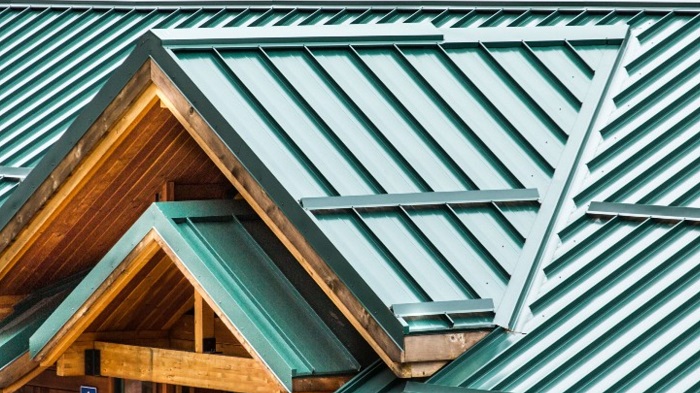
Modern metal roofing is very different from the corrugated panels commonly associated with barns and agricultural buildings. Today’s residential systems are designed to complement traditional homes, modern architecture, luxury properties, and even historic neighborhoods. They are available in numerous colors, profiles, finishes, and performance levels.
Understanding the complete metal roof installation process helps homeowners make informed decisions. From selecting materials to evaluating warranties and installation methods, every step affects long-term performance.
Why More Homeowners Are Choosing Metal Roof Installation
Metal roofing has experienced significant growth across the United States because homeowners increasingly view roofing as a long-term investment rather than a short-term repair. Traditional asphalt shingles remain popular because of lower upfront costs, but many homeowners are willing to spend more initially to reduce future replacement expenses.
One of the primary reasons homeowners choose metal roof installation is longevity. Depending on the material, a properly installed metal roof can last 40 to 70 years or longer. Some premium systems may remain functional for several decades with only minimal maintenance.
Weather resistance is another major advantage. In regions that experience hail, strong winds, heavy snow, or hurricanes, metal roofing often performs exceptionally well. Many products carry wind ratings exceeding 140 miles per hour.
Energy efficiency also contributes to rising demand. Reflective coatings help reduce solar heat absorption, lowering attic temperatures during summer months. In warmer climates, homeowners frequently report reduced cooling costs after installation.
Homeowners who plan to remain in their homes for many years often find the long-term economics attractive. While the initial installation cost may be significantly higher than asphalt shingles, avoiding multiple roof replacements over several decades can offset the difference.
Curb appeal has changed dramatically as well. Standing seam roofs, metal shingles, stone-coated steel products, and architectural panels now allow homeowners to achieve a high-end appearance that complements various architectural styles.
Another factor influencing demand is sustainability. Many metal roofing materials contain recycled content and can be recycled at the end of their service life. This appeals to homeowners seeking environmentally responsible building materials.
Understanding Metal Roofing Materials and Installation Systems
Not all metal roofs are the same. The material selected significantly affects price, durability, maintenance requirements, and appearance.
Steel remains the most common material for residential metal roof installation. Galvanized steel and Galvalume steel offer excellent durability at relatively affordable prices. Protective coatings prevent corrosion and improve weather resistance.
Aluminum roofing is particularly popular in coastal regions because it resists salt corrosion. Although aluminum typically costs more than steel, it performs exceptionally well in humid and marine environments.
Copper roofs represent a premium option. Copper develops a natural patina over time and can last well over a century. Because of its cost, copper is generally reserved for luxury homes or architectural accents.
Zinc roofing also falls into the premium category. It develops a protective surface layer that allows minor scratches to heal naturally over time.
The installation system itself is equally important.
Standing seam systems feature concealed fasteners, which protect screws from weather exposure. These systems provide clean lines, excellent durability, and superior weather resistance.
Exposed fastener systems use visible screws that penetrate the panels. While more affordable, these roofs may require periodic maintenance because fasteners can loosen over time.
Metal shingles imitate traditional roofing materials such as slate, wood shake, or asphalt shingles while delivering the benefits of metal construction.
A homeowner in Texas may prioritize heat reflection and wind resistance, while a homeowner in Colorado may focus on snow shedding capabilities. Coastal Florida homeowners often seek corrosion-resistant materials and hurricane-rated systems.
Roof pitch also influences installation methods. Steeper roofs may require specialized safety equipment, while low-slope applications may demand different panel designs and underlayment systems.
Understanding these differences allows homeowners to compare estimates more accurately and avoid choosing solely based on price.
Metal Roof Installation Costs and What Affects Pricing
The first question most homeowners ask concerns cost. Metal roof installation generally costs more than traditional asphalt roofing, but pricing varies considerably.
For many U.S. homes, installed costs may range from approximately $9,000 to more than $40,000 depending on several factors. Premium materials and complex roof designs can increase costs significantly.
Several variables influence pricing.
Roof size is naturally one of the largest factors. Larger homes require more materials and labor.
Roof complexity also matters. Dormers, valleys, skylights, chimneys, and multiple roof angles increase labor requirements and installation difficulty.
Material selection can dramatically change project costs. Steel usually represents the most economical option, while copper and zinc occupy the premium end of the market.
Roof tear-off expenses may add several thousand dollars if the existing roofing material must be removed. Some building codes allow installation over existing shingles, although this is not always recommended.
Regional labor costs also influence pricing. Roofing labor in California, New York, and certain metropolitan markets may be substantially higher than in rural areas.
Additional components often overlooked by homeowners include:
- Underlayment systems.
- Ice and water barriers.
- Ventilation improvements.
- Flashing upgrades.
- Gutters.
- Structural repairs.
- Permit fees.
A homeowner replacing a simple ranch-style roof in the Midwest may pay considerably less than someone installing a standing seam roof on a complex coastal home.
Financing options have become increasingly common. Many roofing companies offer payment plans, home improvement loans, or partnerships with financing providers. Home equity loans and lines of credit also remain popular for larger projects.
Obtaining multiple estimates helps homeowners understand local pricing and compare products, warranties, and installation methods.
Choosing the Right Contractor and Avoiding Installation Problems
Even the highest-quality roofing material can fail if installed improperly. Contractor selection often determines whether a metal roof lasts decades or develops problems within a few years.
Experience specifically with metal roof installation is essential. Roofing companies that primarily install asphalt shingles may not possess the specialized knowledge required for advanced metal systems.
Homeowners should verify licensing, insurance coverage, and manufacturer certifications when available. Many premium manufacturers certify installers who complete specialized training programs.
Detailed written estimates are critical. A proposal should specify:
- Roofing material type.
- Gauge or thickness.
- Coating system.
- Underlayment.
- Flashing details.
- Ventilation work.
- Warranty coverage.
- Cleanup responsibilities.
- Project timeline.
Contractors should inspect the roof structure before installation. Damaged decking, moisture issues, or structural concerns must be addressed before new materials are installed.
Poor installation practices can create serious problems, including:
- Water infiltration.
- Improper panel expansion.
- Fastener failure.
- Oil canning.
- Ventilation issues.
- Noise concerns.
- Premature corrosion.
For example, thermal expansion causes metal to move as temperatures change. Experienced installers account for this movement through proper fastening methods and panel design.
Homeowners should also ask whether the contractor uses subcontractors or company employees. Consistent crews often provide better quality control.
Insurance coverage is another important consideration. Roofing contractors should carry liability insurance and workers' compensation coverage to protect both the company and the homeowner.
References from previous customers can provide valuable insight into workmanship, communication, and project management.
Choosing the lowest bid often creates the greatest risk. Significant price differences may indicate shortcuts in materials, labor, or installation procedures.
Maintenance, Repairs, Insurance, and Long-Term Performance
One reason many homeowners choose metal roof installation is reduced maintenance requirements. However, low maintenance does not mean no maintenance.
Periodic inspections help identify small issues before they become major repairs. Homeowners should inspect roofs after severe storms and at least once each year.
Common maintenance tasks include:
- Removing debris from valleys.
- Cleaning gutters.
- Checking flashing.
- Inspecting sealants.
- Examining fasteners.
- Trimming nearby tree branches.
Most metal roofs resist mold, mildew, insects, and rot. This reduces maintenance compared to some traditional roofing materials.
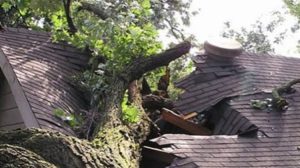
Repairs are generally less frequent than asphalt roofing, although damage can still occur. Hail, fallen branches, or improper foot traffic may dent or damage panels.
Insurance companies often recognize the durability benefits of metal roofing. In some regions, homeowners may qualify for insurance discounts due to improved wind or impact resistance. Availability varies by state, insurer, and roof classification.
After major storms, documentation becomes important. Homeowners should photograph damage and contact both their insurance company and roofing contractor promptly.
Fire resistance represents another advantage. Most metal roofing products achieve high fire-resistance ratings, which may influence insurance considerations in wildfire-prone regions.
Warranties typically fall into two categories.
Manufacturer warranties cover material defects and coating performance. Some warranties extend 30 to 50 years.
Workmanship warranties protect against installation errors and are provided by the contractor. These terms may vary considerably between companies.
Homeowners should read warranty documents carefully because maintenance requirements, transferability, and exclusions may differ.
Long-term value extends beyond durability. A metal roof may contribute to higher resale value, improved energy efficiency, and enhanced curb appeal. Potential buyers often appreciate the reduced likelihood of future roof replacement expenses.
Is Metal Roof Installation Worth the Investment?
The answer depends largely on a homeowner's goals, budget, and expected length of ownership.
For homeowners planning to move within a few years, the higher upfront investment may not always deliver full financial benefits. However, the roof may still improve marketability and buyer appeal.
For homeowners intending to remain in their homes for decades, the economics often become more attractive. Avoiding multiple asphalt roof replacements can significantly reduce lifetime roofing costs.
Climate also plays a major role.
In areas with severe storms, heavy snowfall, intense sun exposure, or high winds, metal roofing may offer substantial performance advantages.
Energy savings, lower maintenance requirements, and stronger warranties further support the long-term value proposition.
A practical way to evaluate the investment is to compare total ownership costs over 40 to 50 years rather than focusing solely on initial installation expenses.
For many homeowners, metal roof installation represents not simply a roofing purchase but a long-term property improvement that enhances durability, comfort, and value.
Frequently Asked Questions
How long does metal roof installation take?
Most residential projects take between two and seven days, depending on roof size, weather conditions, and project complexity.
Can a metal roof be installed over shingles?
In some situations, yes. Local building codes and roof conditions determine whether an overlay installation is appropriate.
Are metal roofs noisy during rain?
Modern systems installed with proper underlayment and attic insulation are generally no louder than traditional roofing materials.
Does a metal roof increase home value?
Many buyers view metal roofing as a premium upgrade that can improve resale appeal and reduce future maintenance concerns.
How often does a metal roof need maintenance?
Annual inspections and occasional cleaning are typically sufficient for most residential systems.
Will homeowners insurance cover metal roofs?
Insurance coverage usually applies similarly to other roofing materials, although discounts may be available in certain regions.
What is the lifespan of a metal roof?
Most residential metal roofs last between 40 and 70 years depending on material quality and installation.
Is financing available for metal roof installation?
Many contractors offer financing programs, and homeowners may also use home improvement loans or home equity products.
Conclusion
Metal roof installation requires a larger initial investment than many traditional roofing options, but the long-term benefits can be substantial. Durability, energy efficiency, weather resistance, and reduced maintenance often make metal roofing an attractive choice for homeowners planning to remain in their properties for many years.
Before moving forward, obtain multiple estimates, verify contractor qualifications, compare warranty coverage, and carefully evaluate long-term ownership costs. A properly installed metal roof can protect a home for decades while providing both practical and financial value.

Tinggalkan Komentar