


A damaged roof can quickly become one of the most stressful problems a homeowner faces. A severe thunderstorm leaves shingles scattered across the yard. Hail dents metal flashing. Strong winds tear away sections of roofing. Water stains suddenly appear on ceilings after heavy rain. In many cases, homeowners immediately ask the same question: Will insurance pay for this?
A roof insurance claim can potentially save thousands of dollars, but the process is often misunderstood. Many homeowners assume every roof problem is covered, while others avoid filing claims because they fear higher premiums or denial. The reality is more complicated. Insurance companies evaluate roof claims based on the cause of damage, the roof’s age, maintenance history, policy terms, and supporting evidence.
Understanding how roof insurance claims work before damage occurs gives homeowners a major advantage. It helps them document damage correctly, work effectively with contractors, avoid costly mistakes, and make informed decisions about repairs or replacement.
Whether your roof was damaged by hail, wind, fallen trees, or severe weather, knowing what to expect during the claims process can make the difference between a successful claim and an expensive surprise.
Understanding How a Roof Insurance Claim Works
A roof insurance claim is a request submitted to a homeowners insurance company for financial assistance after covered roof damage occurs. The insurance company investigates the cause of damage, determines whether the event qualifies under the policy, and calculates the amount it will pay.
Most homeowners insurance policies cover sudden and accidental damage rather than gradual deterioration. Storms, hail, wind, fire, lightning, and falling objects commonly qualify for coverage. However, roofs that fail due to age, neglect, poor maintenance, or normal wear often receive little or no coverage.
For example, if a hailstorm damages asphalt shingles that are eight years old, the insurance company may approve a full roof replacement. If the same roof is twenty-five years old and has extensive deterioration, the insurer may conclude that age contributed significantly to the failure.
The first step after damage occurs is documenting the situation. Homeowners should take photographs, record the date of the event, and prevent additional damage if possible. Temporary tarping or emergency repairs may be necessary to protect the home.
After filing the claim, an insurance adjuster typically inspects the roof. The adjuster determines the extent of damage and prepares an estimate. In many cases, roofing contractors also inspect the roof and provide independent assessments.
Insurance companies generally pay claims based on one of two methods:
Actual Cash Value (ACV) considers depreciation. Older roofs receive lower payouts because age reduces their value.
Replacement Cost Value (RCV) pays the amount necessary to replace the damaged roof with similar materials, minus the deductible.
Understanding which type of coverage exists in your policy significantly affects your financial responsibility.
What Roof Damage Is Usually Covered by Insurance
Insurance companies focus heavily on the cause of damage. Covered events typically involve sudden, unexpected incidents.
Wind damage is among the most common reasons for roof insurance claims. Strong gusts can lift shingles, damage flashing, and expose underlayment. Hurricanes and severe storms often create widespread roofing losses.
Hail damage also leads to substantial claims across many states. Hail impacts may fracture shingles, remove granules, dent metal roofing components, and shorten roof lifespan. Some damage may not be immediately visible from the ground.
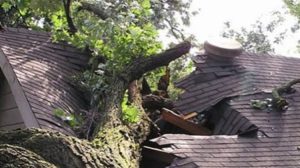
Falling trees and branches frequently qualify for coverage as well. If a storm causes a tree to fall onto the roof, both structural repairs and debris removal may be covered.
Fire and lightning damage are generally covered under standard homeowners policies. Even localized fire damage can require complete roof replacement.
Ice dams in colder regions sometimes qualify when they result from covered weather events, although policy language varies.
On the other hand, several situations commonly result in claim denials. Roof leaks caused by poor maintenance are rarely covered. Missing shingles due to long-term neglect may not qualify. Mold, rot, and deterioration often fall outside insurance protection.
A homeowner who ignores damaged flashing for several years may discover interior water damage that the insurer refuses to cover because the problem developed gradually.
Roof age also plays a growing role. Many insurers have introduced limitations for older roofs, particularly those exceeding fifteen or twenty years. Some policies only provide actual cash value coverage for aging roofs.
Reading the policy carefully before damage occurs helps homeowners understand potential limitations.
The Roof Inspection and Insurance Adjuster Process
After a roof insurance claim is filed, the adjuster inspection becomes one of the most important stages.
Insurance adjusters inspect roofing materials, look for storm-related damage, evaluate repairability, and estimate costs. Their reports strongly influence claim approval and settlement amounts.
Homeowners often feel nervous during adjuster visits because they assume the adjuster is either entirely on their side or entirely against them. In reality, adjusters are responsible for applying policy terms and documenting damage.
Having a reputable roofing contractor present during the inspection can be beneficial. Contractors understand roofing systems and can point out damage that may not be immediately obvious.
During inspections, adjusters may evaluate:
- Missing shingles
- Granule loss
- Hail impact marks
- Damaged flashing
- Roof decking problems
- Interior water damage
- Ventilation issues
- Structural concerns
Drone technology has become increasingly common during roof inspections. Drones allow safer and more detailed evaluations without requiring adjusters to walk every roof.
If homeowners disagree with the adjuster's findings, they may request a second inspection or provide additional evidence from independent contractors.
Documentation plays a major role in claim success. Homeowners should keep:
- Maintenance records
- Previous inspection reports
- Repair invoices
- Storm dates
- Photographs
- Contractor estimates
One common mistake involves signing contracts with aggressive storm-chasing contractors before understanding the insurance decision. Homeowners should review agreements carefully and avoid authorizing major work before claim approval.
The inspection process can take several days or several weeks depending on weather events, claim volume, and local conditions.
Roof Replacement Costs, Deductibles, and Claim Payouts
Roof replacement costs have increased significantly in recent years due to higher labor expenses, material costs, and supply chain challenges.
Average roof replacement costs in the United States often range:
- Asphalt shingle roof: $8,000 to $20,000
- Architectural shingles: $12,000 to $25,000
- Metal roofing: $15,000 to $40,000
- Tile roofing: $20,000 to $50,000
- Slate roofing: $30,000 or more
The actual price depends on roof size, material selection, local labor rates, complexity, and geographic location.
Insurance deductibles directly affect out-of-pocket expenses. A homeowner with a $2,000 deductible who receives a $16,000 settlement would typically pay the first $2,000.
Some policies include separate wind or hail deductibles expressed as percentages of home value. For example, a 2 percent deductible on a $400,000 home equals $8,000.
Many homeowners are surprised when insurance initially issues partial payments. With replacement cost policies, insurers often release an initial payment based on actual cash value and then provide additional funds after repairs are completed.
Suppose a roof replacement costs $18,000. The insurer may initially pay $13,000 after depreciation and deductible calculations. After the contractor completes the work and submits documentation, the insurer may release the remaining recoverable depreciation.
Homeowners should carefully review settlement documents and ask questions when numbers appear confusing.
Financing options may also help bridge timing gaps between contractor payments and insurance reimbursements.
Choosing upgraded materials can increase costs beyond insurance coverage. For example, replacing standard shingles with premium impact-resistant roofing may require additional homeowner contributions.
However, some insurance companies offer discounts for impact-resistant materials because they reduce future claims risk.
Choosing the Right Roofing Contractor During an Insurance Claim
The contractor selected during a roof insurance claim can significantly influence the entire experience.
Reputable roofing contractors understand insurance procedures, estimate preparation, documentation requirements, and local building codes. They help homeowners understand damage while maintaining realistic expectations.
Important qualities to look for include:
- State licensing when required
- General liability insurance
- Workers' compensation coverage
- Local business presence
- Positive customer reviews
- Detailed written estimates
- Experience with insurance restoration
Homeowners should be cautious when approached by contractors immediately after severe storms. Some companies travel from area to area following weather events and disappear after completing work.
Obtaining multiple estimates remains a wise practice.
Contractors may identify additional damage overlooked during the initial insurance inspection. Supplemental claims sometimes provide additional funding for hidden issues discovered during replacement.
Questions homeowners should ask include:
- How many insurance projects have you completed?
- Will you attend the adjuster inspection?
- What warranties do you offer?
- Who performs the installation?
- How long will the project take?
- What happens if additional damage is found?
Manufacturer warranties protect roofing materials, while workmanship warranties cover installation quality. Understanding both types of protection provides valuable long-term security.
A well-installed roof not only protects the home but may also improve energy efficiency, curb appeal, resale value, and long-term durability.
Protecting Your Roof Investment After the Claim Is Complete
Receiving insurance approval and completing roof replacement does not end the homeowner's responsibility.
Regular maintenance helps preserve the new roof and reduce future claims problems.
Annual inspections can identify minor issues before they become expensive repairs. Cleaning gutters, trimming tree branches, checking flashing, and monitoring attic ventilation all contribute to roof longevity.
Many roofing professionals recommend inspections after severe storms, even when obvious damage is absent.
Homeowners should keep copies of:
- Insurance settlement documents
- Contractor invoices
- Warranty information
- Material specifications
- Inspection reports
- Photographs of completed work
These records become valuable if future claims arise or if the property is sold.
Impact-resistant shingles, improved ventilation systems, and upgraded underlayment may increase roof durability and potentially reduce insurance premiums.
Long-term value extends beyond simply preventing leaks. A properly installed roof contributes to energy efficiency, structural protection, resale appeal, and overall home value.
Homeowners who understand their insurance coverage, maintain their roofing system, and work with qualified contractors often experience fewer surprises when damage occurs.
Frequently Asked Questions
Does homeowners insurance cover roof leaks?
Insurance usually covers roof leaks if they result from a covered event such as a storm, hail, or fallen tree. Leaks caused by wear, age, or poor maintenance are often excluded.
Will filing a roof insurance claim increase my premium?
Premium increases depend on many factors, including claim history, regional storm activity, and insurance company policies. A single weather-related claim may have limited impact in some situations.
How long do I have to file a roof insurance claim?
Most insurance policies require claims to be reported promptly. Deadlines vary by state and insurer, but homeowners should file as soon as possible after discovering damage.
Can I choose my own roofing contractor?
Yes. Homeowners generally have the right to select their preferred contractor rather than using one recommended by the insurance company.
What happens if my claim is denied?
Homeowners can request additional inspections, provide contractor reports, submit more evidence, or appeal the decision according to policy procedures.
Should I replace my roof if only part of it is damaged?
The answer depends on repairability, matching materials, local building codes, and insurance provisions. Sometimes full replacement provides better long-term value.
Do insurance companies cover roof upgrades?
Insurance typically pays for materials similar to the existing roof. Upgrades often require homeowners to pay the difference.
Conclusion
A roof insurance claim is more than paperwork and inspections. It is a process that protects one of the largest investments most families ever make. Understanding policy coverage, documenting damage quickly, working with experienced roofing professionals, and maintaining realistic expectations can greatly improve claim outcomes.
Homeowners who act promptly after storm damage, keep detailed records, and choose qualified contractors place themselves in the strongest position. Whether the solution involves repairs or a complete replacement, informed decisions help protect both the roof and the long-term value of the home.



Tinggalkan Komentar