
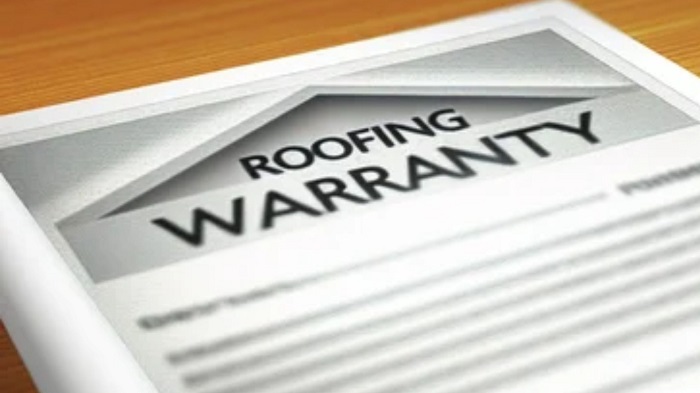

A new roof is one of the largest investments most homeowners will ever make. Whether a family spends $8,000 on asphalt shingles or more than $30,000 on a premium roofing system, many people assume that the warranty automatically protects them from every possible problem for decades. Unfortunately, that assumption often leads to disappointment.
The reality is that a roof warranty can be extremely valuable, but only if homeowners understand exactly what it covers, what it excludes, and what responsibilities remain their own. Leaks, defective materials, poor installation, storm damage, and contractor mistakes may all involve different types of protection. In some situations, a homeowner may have multiple warranties applying to the same roof. In others, there may be no coverage at all.
Understanding roof warranty terms before a problem occurs can save thousands of dollars and prevent disputes with contractors, manufacturers, and insurance companies. The language used in roofing contracts often sounds technical, but the basic principles are easier to understand than many people realize.
A roof warranty is not simply a document stored in a drawer after installation. It is part of the long-term value of the home itself. Whether someone is replacing an aging roof, buying a new house, or evaluating roofing estimates, understanding warranty coverage helps homeowners make smarter decisions.
Understanding How Roof Warranties Actually Work
Many homeowners believe that a thirty-year roof warranty means the entire roof is guaranteed for thirty years. In practice, roof warranties come in several different forms, each covering different issues.
The most common type is the manufacturer's material warranty. This warranty covers defects in roofing materials such as shingles, underlayment, or roofing components. If the product itself fails because of a manufacturing defect, the manufacturer may provide replacement materials and, in some cases, labor reimbursement.
A second type is the workmanship warranty offered by the roofing contractor. This warranty protects homeowners if installation errors cause roofing problems. Improper nail placement, incorrect flashing installation, or poor ventilation design may fall under workmanship coverage.
Some premium roofing systems combine both protections into an enhanced warranty package. These warranties often require certified installers and specific installation procedures.
For example, a homeowner in Texas may experience shingle blistering five years after installation. If laboratory testing determines that the shingles contained manufacturing defects, the manufacturer warranty may apply. However, if the problem resulted from inadequate attic ventilation installed by the contractor, the workmanship warranty could become responsible.
Coverage periods also vary considerably. Basic contractor warranties may last one to five years, while premium workmanship guarantees can extend for twenty-five years or even the lifetime of the roof.
Many homeowners are surprised to discover that roofing warranties often become prorated after a certain period. During the early years, the manufacturer may cover full replacement costs. As the roof ages, reimbursement amounts may gradually decline.
Understanding the distinction between material defects and installation errors is critical because warranty claims frequently depend on identifying the exact cause of the problem.
What Roof Warranties Cover and What They Usually Exclude
A roof warranty does not function like a homeowner's insurance policy. Instead, it provides protection against specific failures identified in the warranty agreement.
Most material warranties cover manufacturing defects such as:
- Premature cracking.
- Defective adhesive strips.
- Granule loss beyond normal aging.
- Material deterioration.
- Product defects.
Workmanship warranties commonly cover:
- Improper installation techniques.
- Flashing mistakes.
- Ventilation errors.
- Fastener problems.
- Water intrusion caused by installation defects.
However, numerous situations typically fall outside warranty coverage.
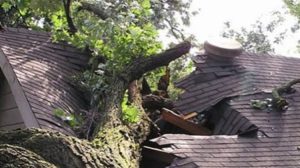
Storm damage represents one of the most common exclusions. Hail, hurricanes, tornadoes, high winds, and falling trees usually become insurance claims rather than warranty claims.
Normal aging is another major exclusion. Shingles naturally lose granules over time, and materials eventually deteriorate because of sun exposure and weather conditions.
Poor maintenance may also void coverage. Allowing debris to accumulate, ignoring leaks, or failing to repair minor issues can create problems during warranty claims.
Unauthorized repairs frequently become another issue. If a homeowner hires an unapproved contractor to repair part of the roof, the original warranty may become partially or entirely void.
Improper attic ventilation often creates disputes because excessive heat and moisture can damage roofing materials. Manufacturers may deny claims if ventilation requirements were not met.
Home additions, satellite installations, solar panel work, or HVAC modifications can also affect coverage if they alter the roofing system.
Reading the warranty exclusions section is often more important than reading the list of covered items. Many denied claims occur because homeowners never realized certain conditions were excluded.
Roof Replacement, Repairs, and the Role of Warranty Coverage
When a roofing problem develops, homeowners often wonder whether repairs are sufficient or whether complete replacement is necessary. Warranty coverage frequently influences this decision.
Minor leaks caused by flashing problems may qualify for workmanship repairs. In these cases, the contractor may simply replace flashing components and repair affected areas.
Manufacturing defects affecting only a limited number of shingles may lead to partial replacement. However, matching older shingles can become difficult because colors fade over time and product lines change.
Some enhanced warranties provide system coverage. This means the manufacturer may replace larger portions of the roof if multiple components fail together.
Age also matters. A roof that experiences problems after three years receives different treatment than one that develops issues after twenty years.
Consider two homeowners with similar leaks. The first homeowner has a five-year-old roof installed by a certified contractor with an enhanced warranty. The second homeowner has a twenty-year-old roof with expired workmanship coverage.
The first homeowner may receive substantial assistance through warranty protection. The second homeowner may face full replacement costs.
Roof replacement costs vary significantly across the United States. Asphalt shingle replacements commonly range from $8,000 to $20,000 depending on roof size, complexity, materials, and local labor costs. Premium materials such as metal, tile, or slate may cost considerably more.
Because roof replacement represents such a substantial investment, warranty protection becomes a meaningful financial asset.
Homeowners should also remember that repairs performed under warranty usually require following specific claim procedures. Contacting the original contractor, documenting damage, taking photographs, and maintaining records can significantly improve the claims process.
Contractors, Installation Quality, and Why Workmanship Matters
Even the best roofing materials cannot compensate for poor installation. Industry studies consistently show that installation errors contribute to many roofing failures.
Selecting a contractor based solely on the lowest bid often increases long-term risks. Lower bids may involve reduced labor costs, inexperienced crews, or shortcuts during installation.
Experienced contractors often provide stronger workmanship warranties because they have confidence in their installation practices.
Homeowners evaluating roofing estimates should ask several important questions:
- How long is the workmanship warranty?
- Is the warranty transferable?
- What specific problems are covered?
- Are repairs performed at no charge?
- Is the company certified by major manufacturers?
- What documentation will be provided?
Certified installers frequently qualify homeowners for enhanced manufacturer warranties. These programs may include longer coverage periods and broader protection.
Installation quality affects several critical areas, including:
- Flashing installation.
- Roof ventilation.
- Underlayment placement.
- Fastener placement.
- Ridge ventilation.
- Ice and water barriers.
A homeowner may purchase premium shingles with a fifty-year material warranty, yet poor installation can still cause leaks within a few years.
Contractor stability also matters. A workmanship warranty only has value if the company remains in business. Established roofing companies with strong reputations often provide greater confidence.
Before signing a contract, homeowners should request written warranty information rather than relying on verbal promises.
Detailed contracts help avoid future misunderstandings regarding labor coverage, exclusions, and responsibilities.
Insurance Claims, Maintenance, and Protecting Long-Term Roof Value
Roof warranties and homeowner insurance serve different purposes, but they sometimes overlap.
Insurance typically covers sudden accidental events such as hail, wind damage, fire, or falling trees. Warranties cover defects in materials or installation.
If a major storm damages a roof, the insurance company generally becomes the primary source of financial assistance. If defective materials contributed to the failure, warranty coverage may also become relevant.
Regular maintenance helps preserve both warranty protection and roof performance.
Homeowners should inspect their roofs periodically, especially after severe weather events. Warning signs include:
- Missing shingles.
- Curling edges.
- Damaged flashing.
- Moss growth.
- Granule accumulation.
- Interior water stains.
Cleaning gutters prevents water backup that can damage roofing components.
Tree branches should be trimmed away from the roof to reduce impact risks and moisture accumulation.
Attic inspections also play an important role. Poor ventilation can cause excessive heat and moisture, reducing roof life.
Documentation matters. Homeowners should keep:
- Installation contracts.
- Warranty certificates.
- Inspection reports.
- Repair invoices.
- Maintenance records.
- Photographs.
These records become extremely valuable during claims.
Transferability also influences resale value. Some roof warranties transfer to new homeowners, making the property more attractive during real estate transactions.
A transferable warranty may provide reassurance to buyers and potentially increase market appeal.
Ultimately, a roof warranty contributes to long-term value only when homeowners actively protect the roofing system through proper maintenance and timely repairs.
Making Smart Warranty Decisions Before Signing a Roofing Contract
The best time to understand a roof warranty is before the roof is installed.
Many homeowners focus exclusively on price estimates while overlooking warranty details that may influence costs years later.
A lower-priced proposal with limited workmanship coverage may become more expensive over time than a slightly higher estimate offering comprehensive protection.
When comparing roofing estimates, homeowners should evaluate:
- Material warranty length.
- Workmanship coverage.
- Transferability.
- Contractor reputation.
- Certification status.
- Coverage limitations.
- Claim procedures.
Asking contractors to explain warranty terms in plain language often reveals important differences.
Some warranties cover labor only during initial years. Others provide full system protection. Some require periodic inspections, while others do not.
Homeowners planning to remain in their homes for many years may benefit from enhanced warranties offering extended protection.
Those planning to sell within a few years may prioritize transferable coverage.
The strongest warranty is not always the longest one. A realistic, clearly written warranty backed by a reputable contractor often provides more value than impressive marketing claims.
Roofing systems protect homes from weather, moisture, and structural damage. The warranty supporting that system deserves the same careful consideration as the roofing materials themselves.
Frequently Asked Questions
How long does a roof warranty typically last?
Material warranties often range from 20 years to lifetime coverage, while workmanship warranties usually last between one and twenty-five years depending on the contractor.
Does a roof warranty cover leaks?
Leaks may be covered if they result from installation errors or defective materials. Storm damage and maintenance issues are usually excluded.
Can a roof warranty transfer to a new homeowner?
Many warranties are transferable, although certain conditions and deadlines may apply.
Will homeowners insurance replace my roof?
Insurance generally covers sudden damage caused by storms, fire, or accidents. Normal wear and aging are typically excluded.
Does replacing a few shingles void the warranty?
Unauthorized repairs can affect coverage. Homeowners should review warranty terms before hiring repair contractors.
Are lifetime roof warranties truly lifetime coverage?
Lifetime coverage usually refers to the expected life of the roofing product and may include prorated coverage after certain years.
Is an extended roof warranty worth the cost?
Enhanced warranties often provide additional labor protection and broader coverage, making them valuable for many homeowners.
Conclusion
A roof warranty provides important protection, but only when homeowners understand its limits and responsibilities. Material coverage, workmanship guarantees, maintenance requirements, and insurance considerations all play a role in long-term roof performance.
Before signing any roofing contract, compare warranty terms carefully, ask detailed questions, and choose experienced contractors who stand behind their work. A strong warranty combined with quality installation can protect one of the most valuable investments a homeowner will ever make.


Tinggalkan Komentar